![]()
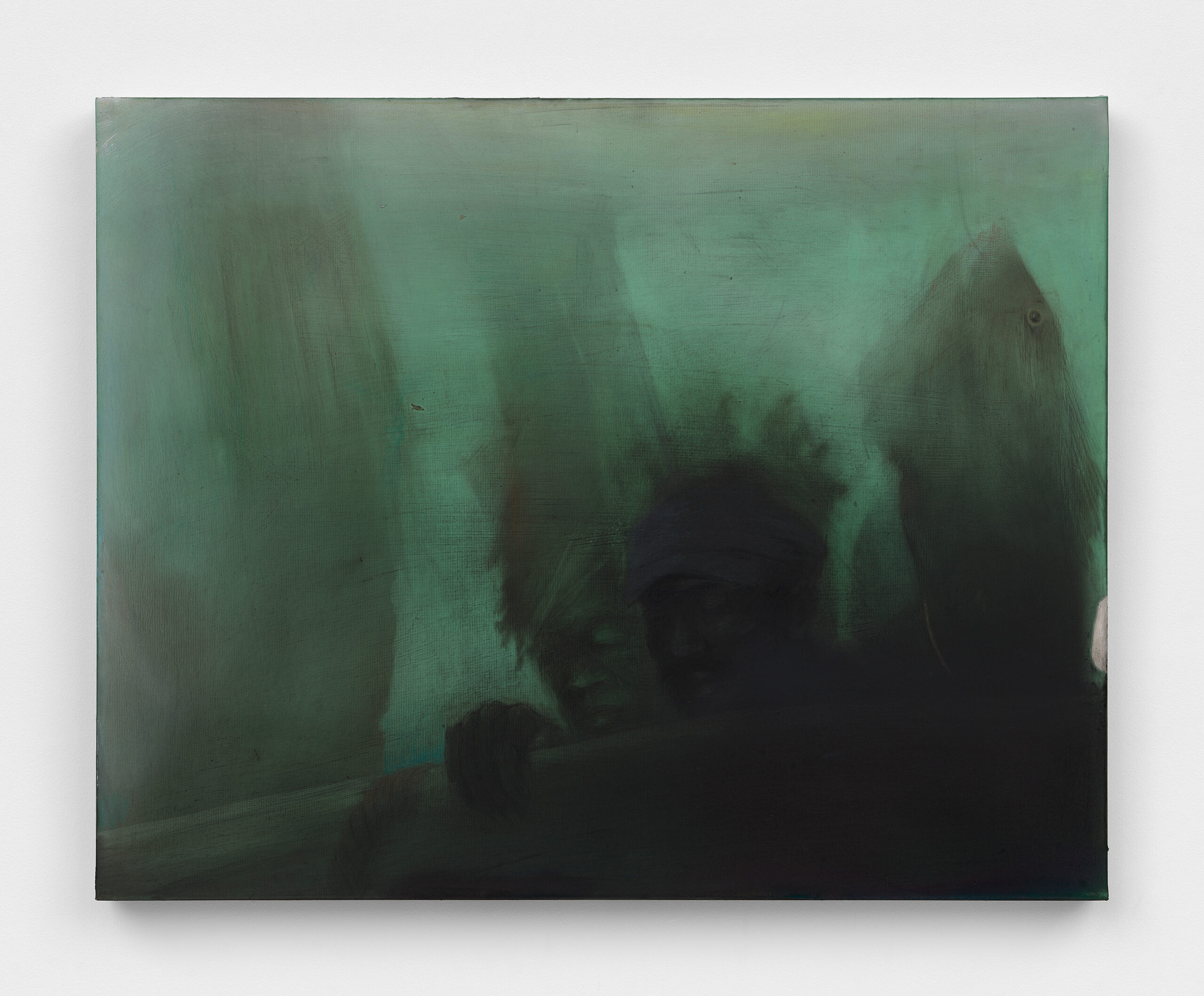
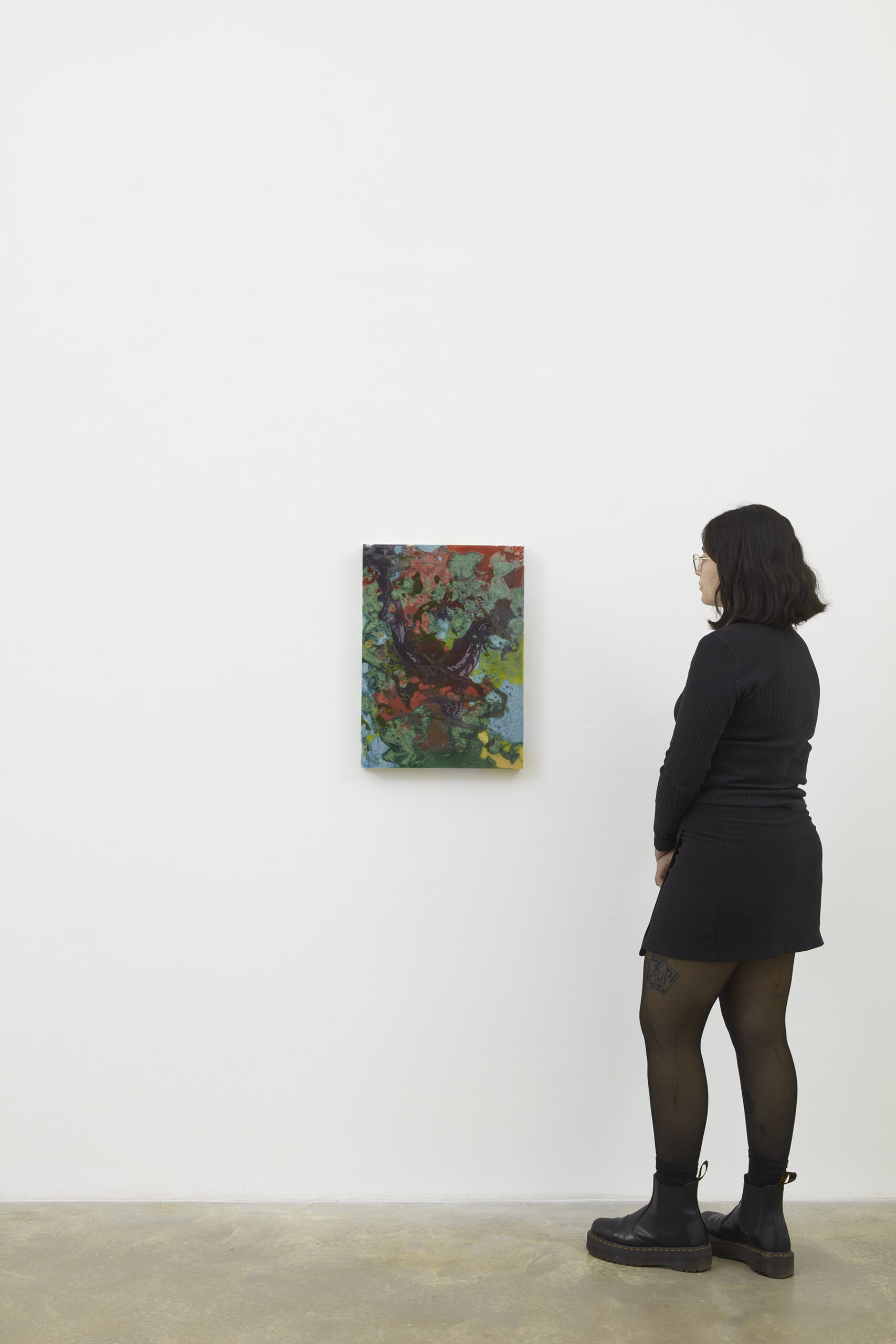
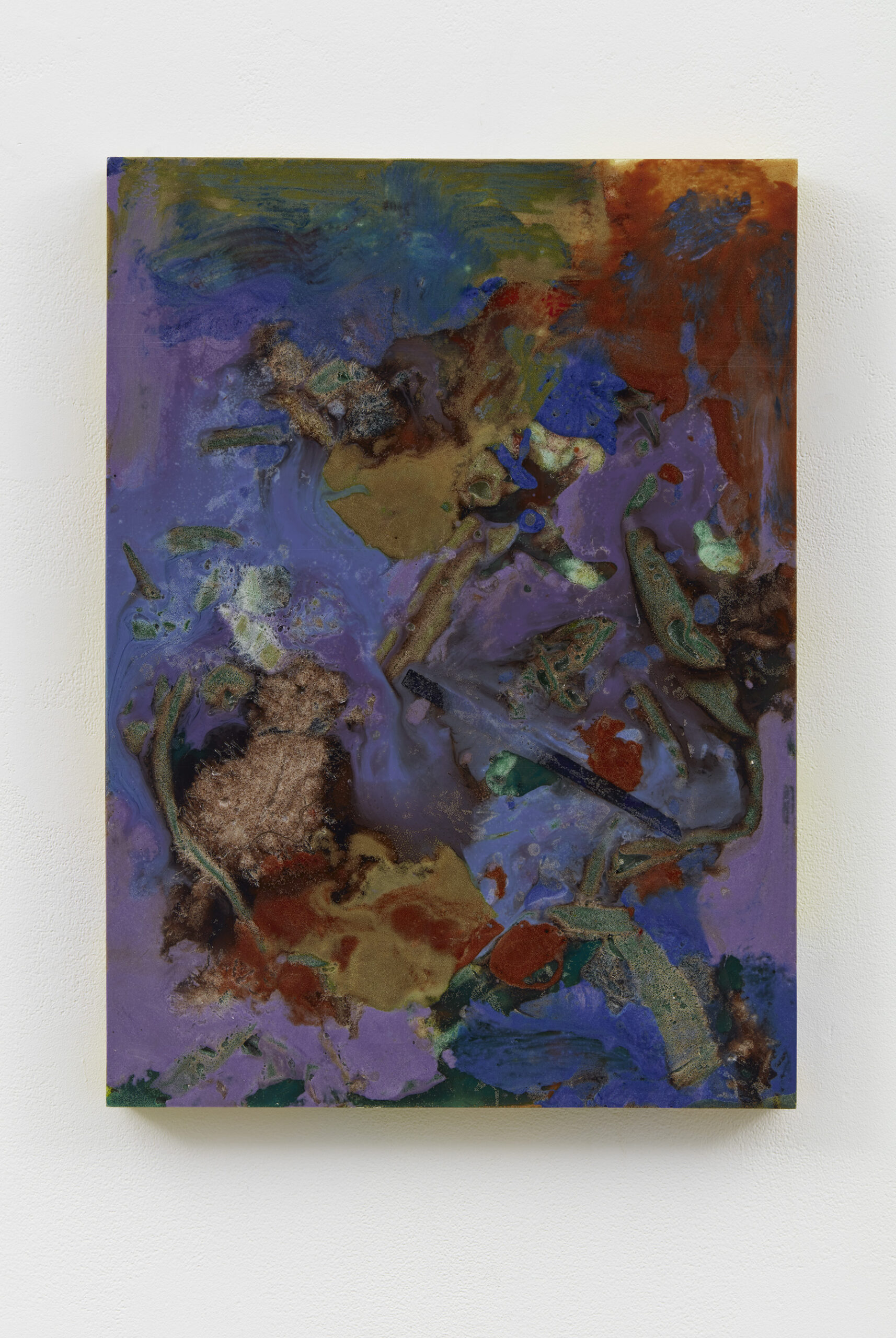
Sydney Cain
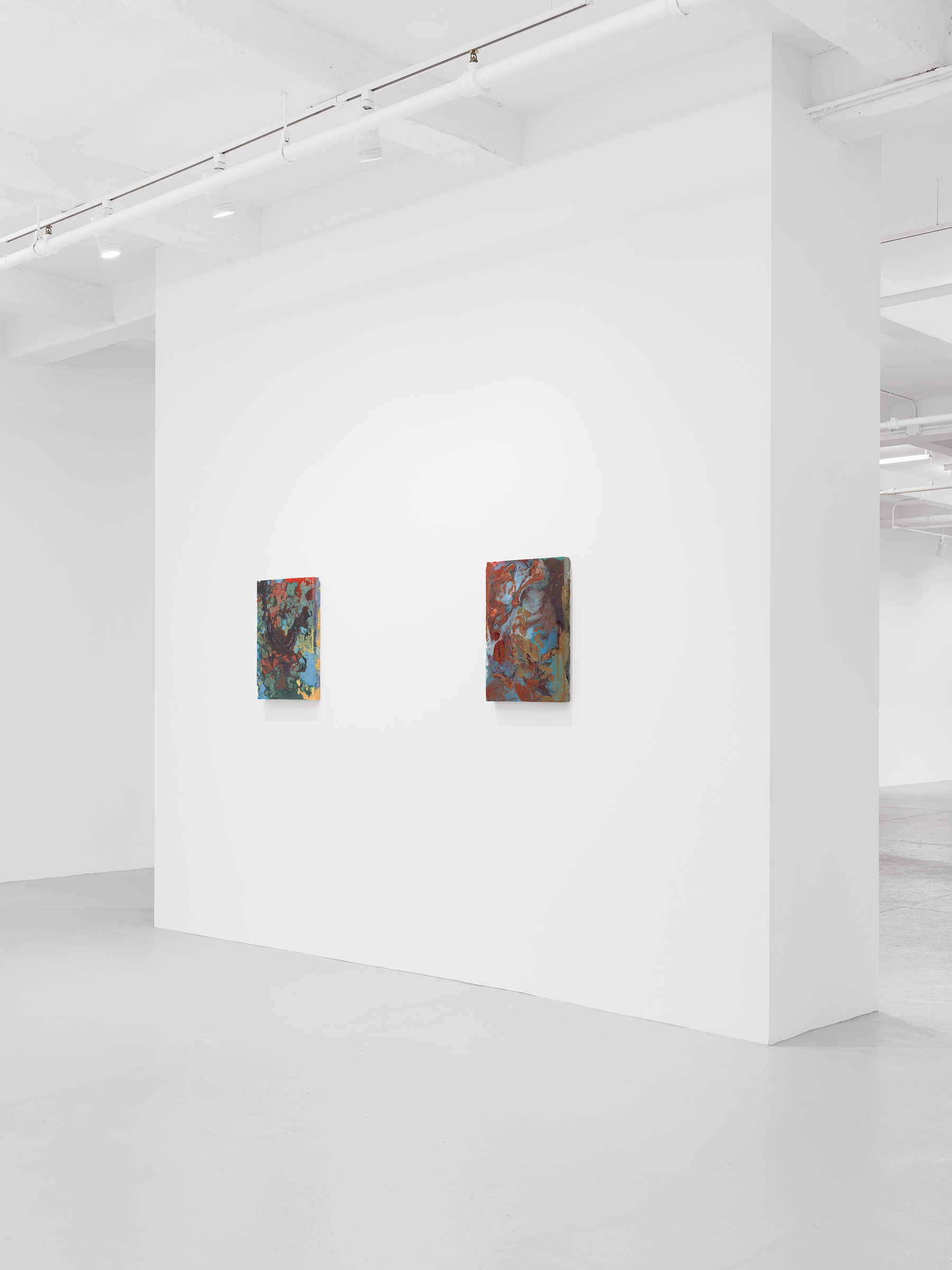
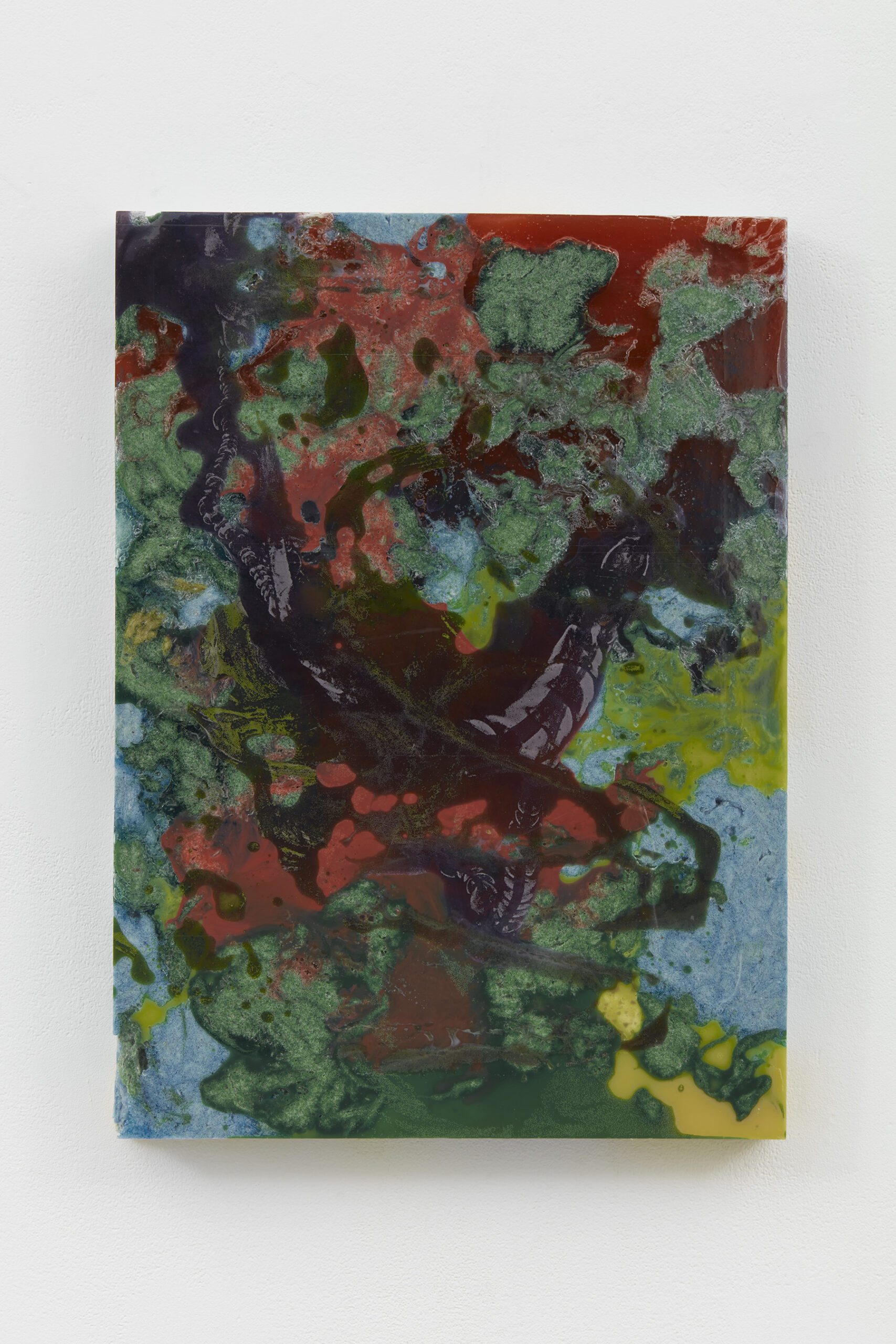
they knew her name, 2026
Acrylic, pigment and soft pastel on wood
24 x 30" / 61 x 76.2cm
![]()
Sydney Cain
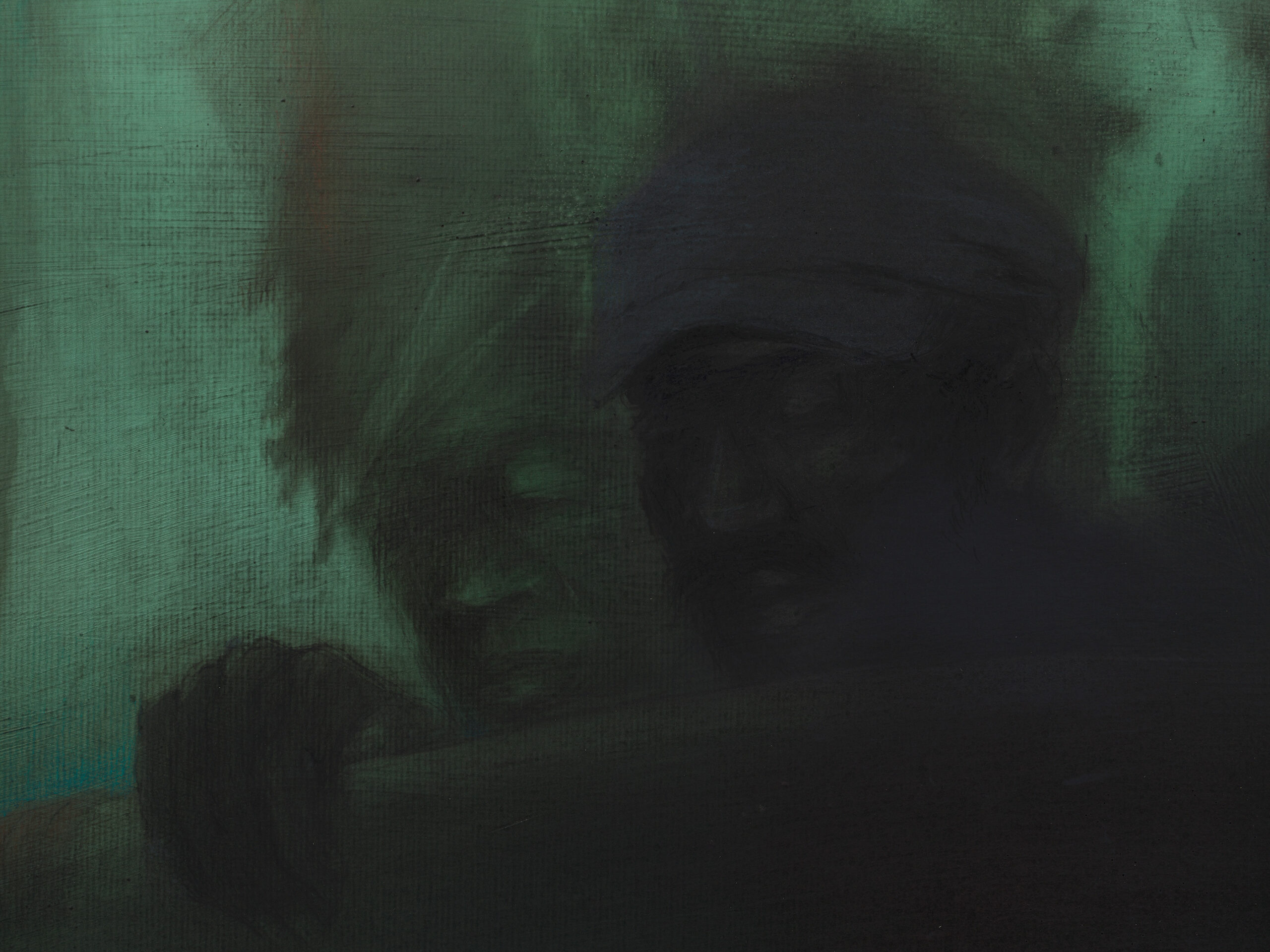
they knew her name, 2026
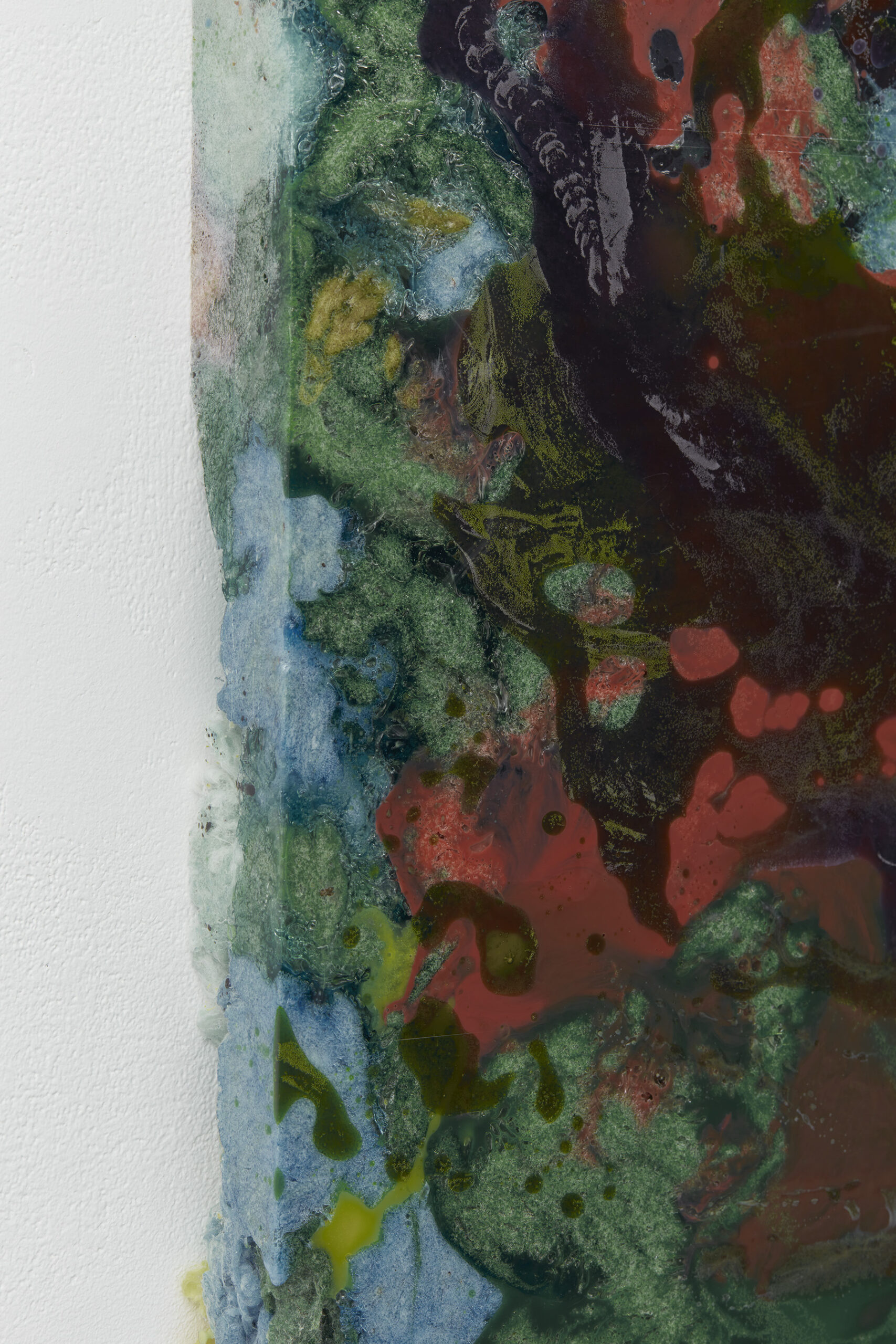
(detail view)
![]()
Sydney Cain
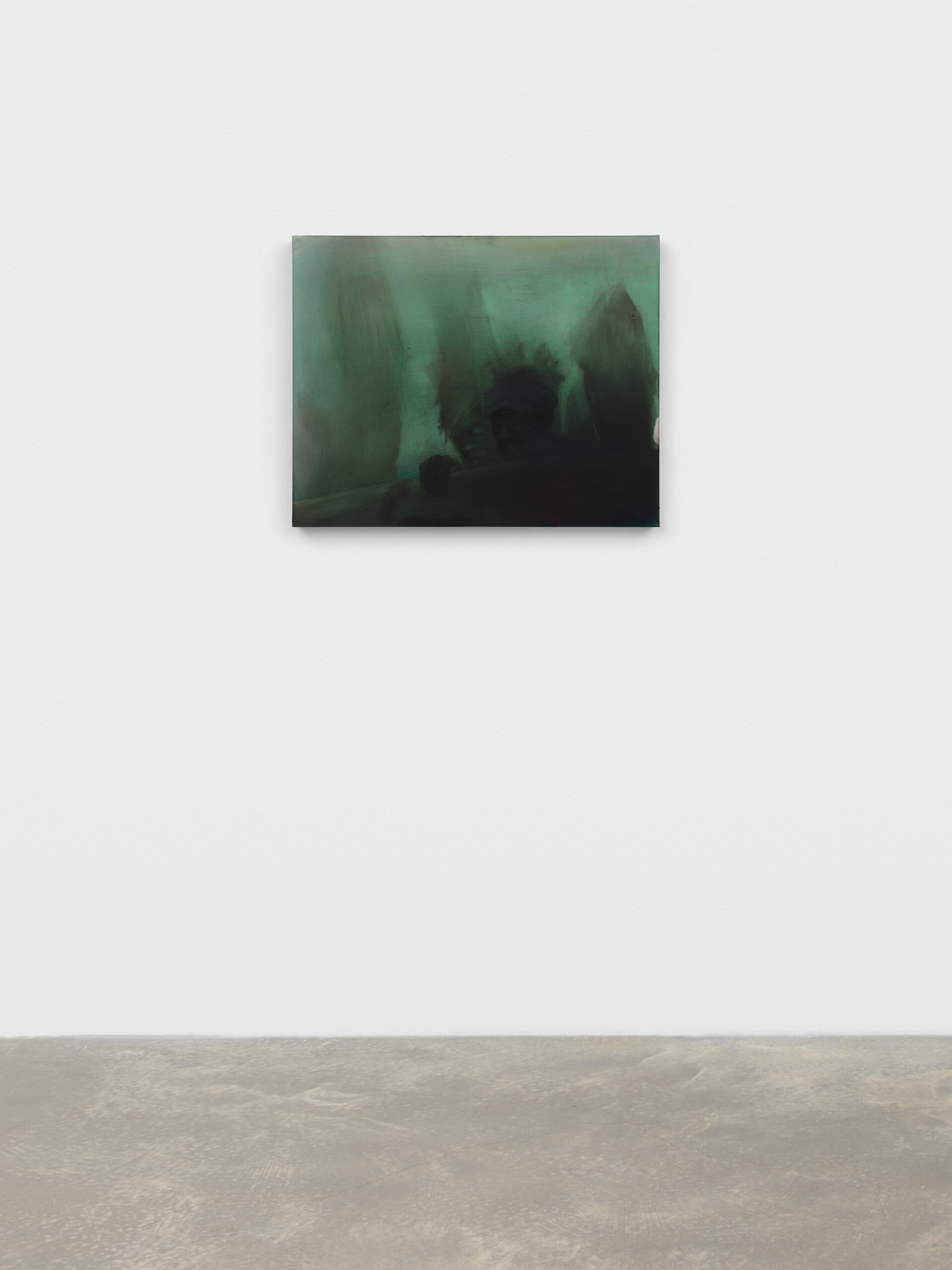
they knew her name, 2026
(alternate view)
Sydney Cain (b. 1991, San Francisco, CA) traces the collective consciousness of communities in what they call metaphysical landscapes. Cross-generational groups move through ruptured spaces steeped in myth and the history of the African Diaspora, seeking connection and renewal. By recasting personal and collective histories of joy, celebration, loss, and grief, the artist rebuilds narratives that honor lifetimes in the past, present, and future. Through a process of gradual unveiling, Cain sculpts, rubs, and erases dense layers of pigment to render experiences beyond the visible plane. This layered approach evokes the instability of memory and the porous boundary between the visible and unseen, while revealing Blackness as both subject and state of being.
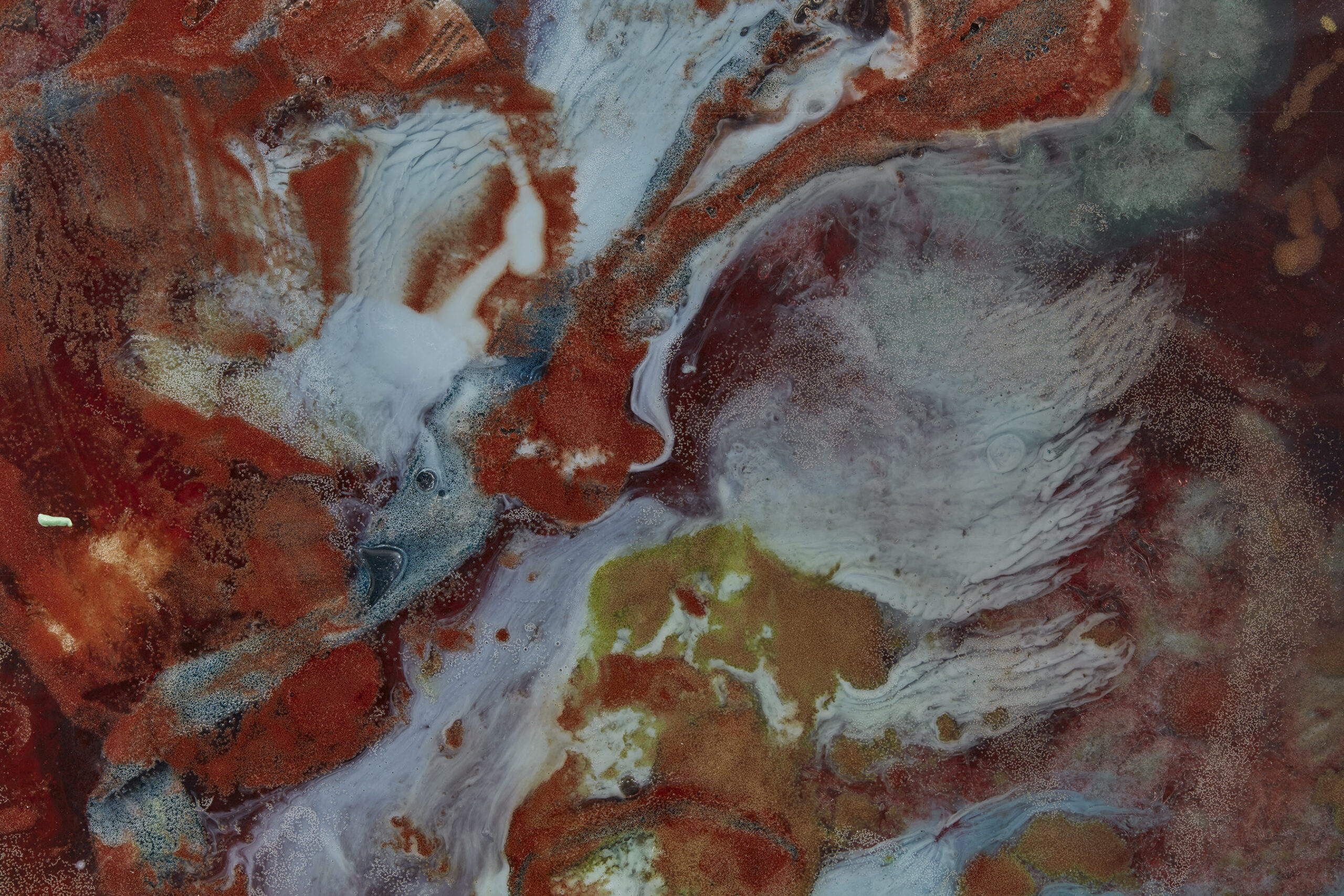
In they knew her name (2026), a gathering of figures emerges from a dense, green expanse, their forms suspended between visibility and obscurity. Built up through layers of pastel, acrylic paint, and pigment, the painting is suffused with an aqueous glow, as though light were filtering down from the surface of deep water. Faces, head coverings, and hands surface from the surrounding darkness, their contours dissolving into the field and reappearing elsewhere. A rope, barely discernible among the shifting forms, introduces a subtle sense of connection and collective passage. Rather than settling into a fixed scene, the figures seem to move between states of presence and disappearance as the artist pulls pigment back and forth across, into, and beneath the surface in cycles of erasure and reworking. Through this labor-intensive unveiling, Cain renders the space between the living and the ancestral, suggesting a collective consciousness in which identity, memory, and belonging are carried across time.
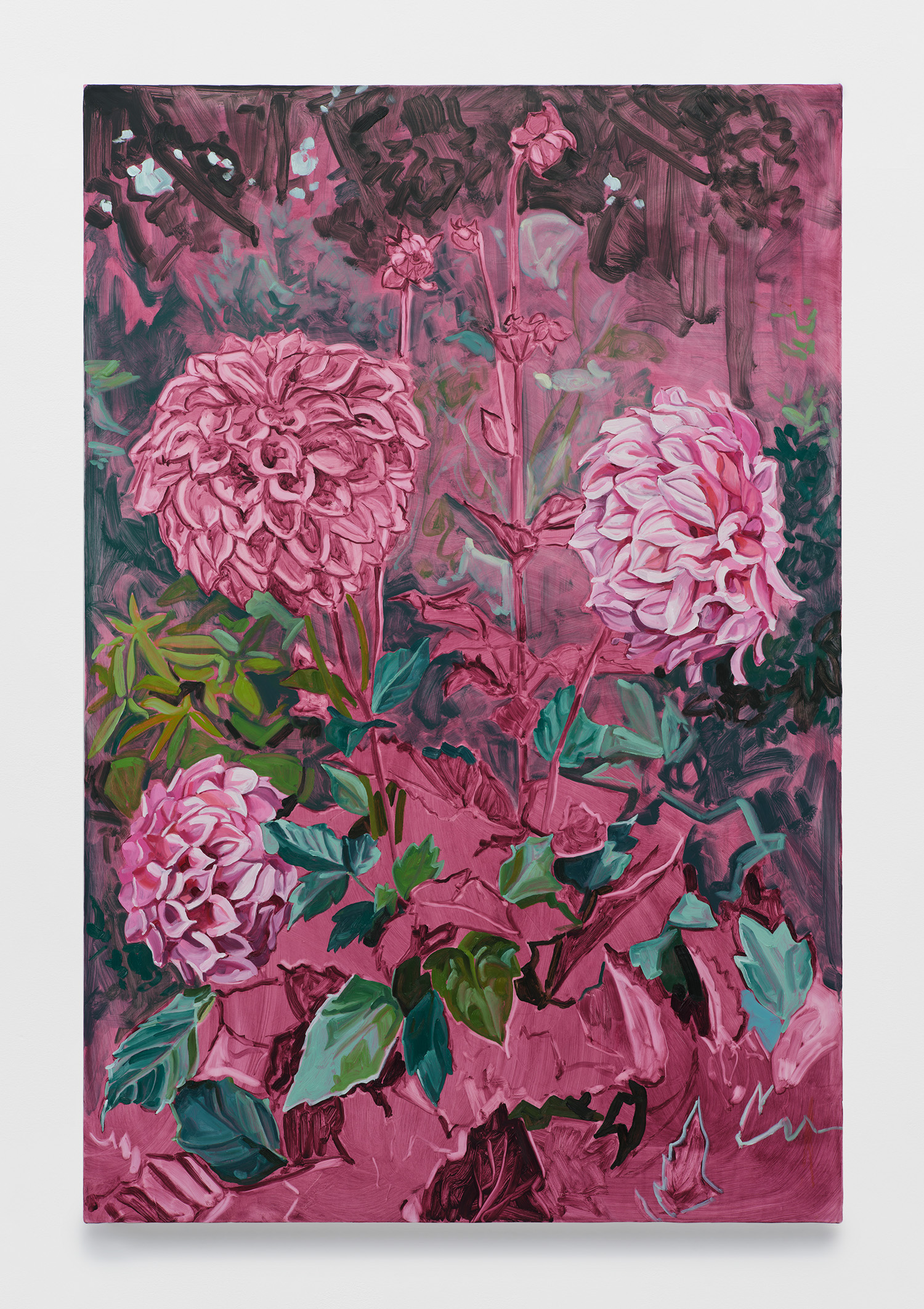
![]()
Jordan Casteel
Moonlight Dahlia, 2026
Oil on canvas
45 x 30" / 114.3 x 76.2cm
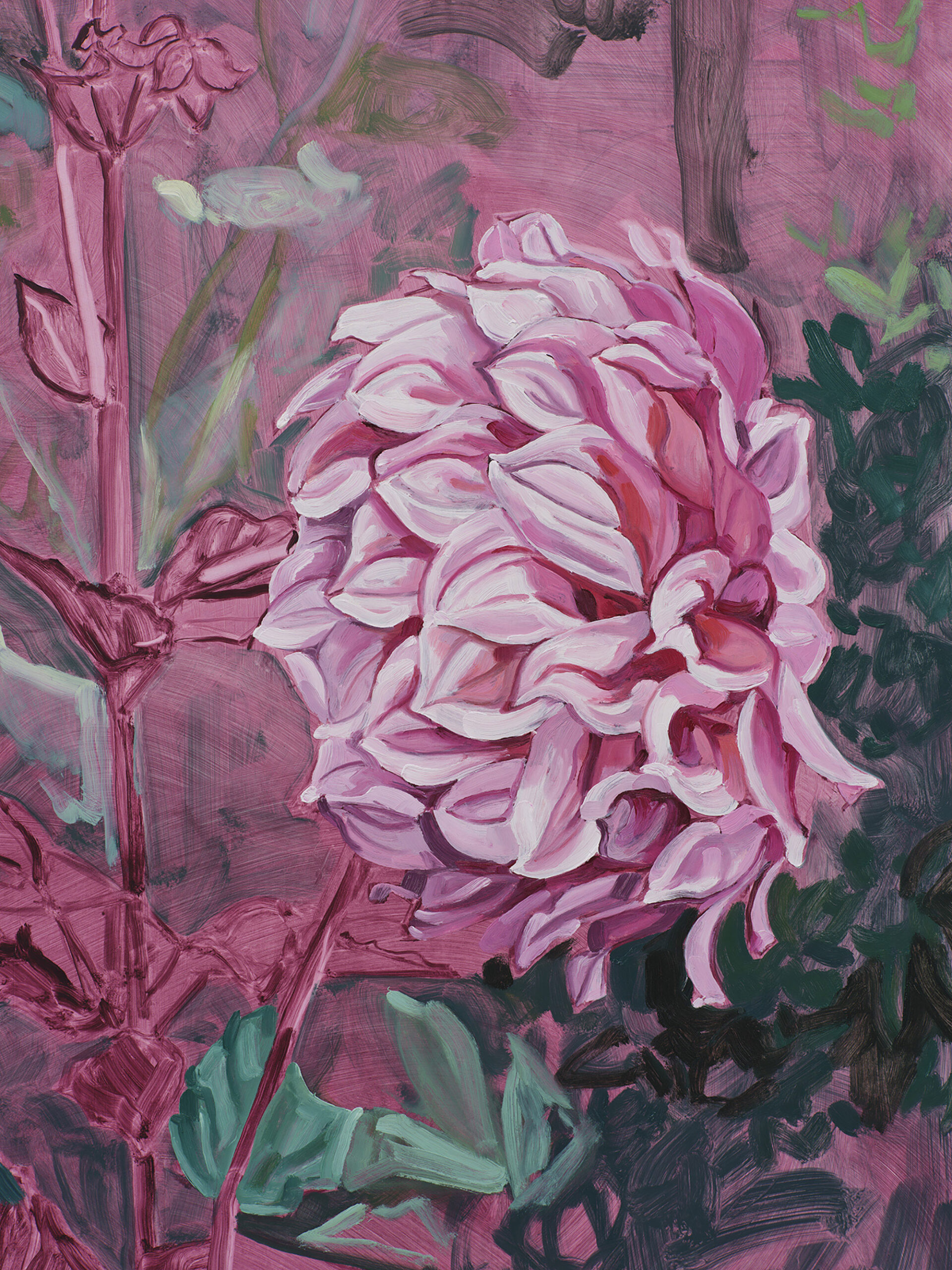
![]()
Jordan Casteel
Moonlight Dahlia, 2026
(detail view)
Jordan Casteel (b. 1989, Denver, CO) considers how the sensory experience of a landscape shapes the way we move through space. Sourcing her subject matter from her own photographs of her surroundings, Casteel interchanges setting and subject.
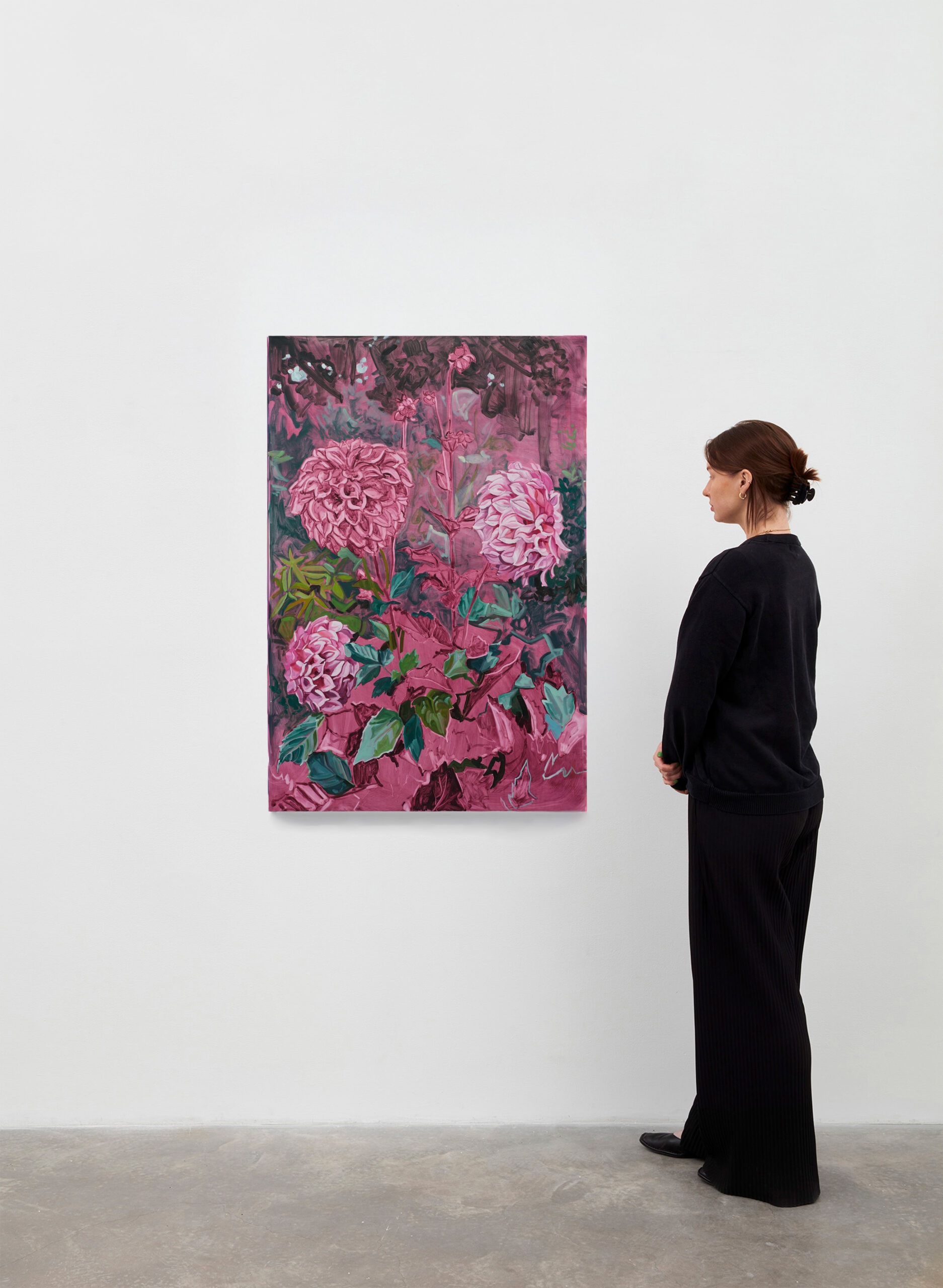
In Moonlight Dahlia (2026), an ecosystem within her Hudson Valley garden emerges. Dahlias in full bloom fill the composition like fireworks, exploding into a dense field of overlapping growth, each petal flickering like an ember. Planted by hand and later cut and brought indoors, Casteel renders her garden at its most abundant yet fleeting. The surrounding terrain recedes into a blur, while strokes of thick paint alternate with delicate outlines against a mulberry-colored ground. Leaving areas of underpainting visible, Casteel keeps her process visible, building the image through layers like a gradual accumulation of growth. Swaths of color and swift brushwork give the painting’s surface a sense of immediacy and motion, capturing the garden as a living system in constant transition.
![]()
Jordan Casteel
Moonlight Dahlia, 2026
(alternate view)
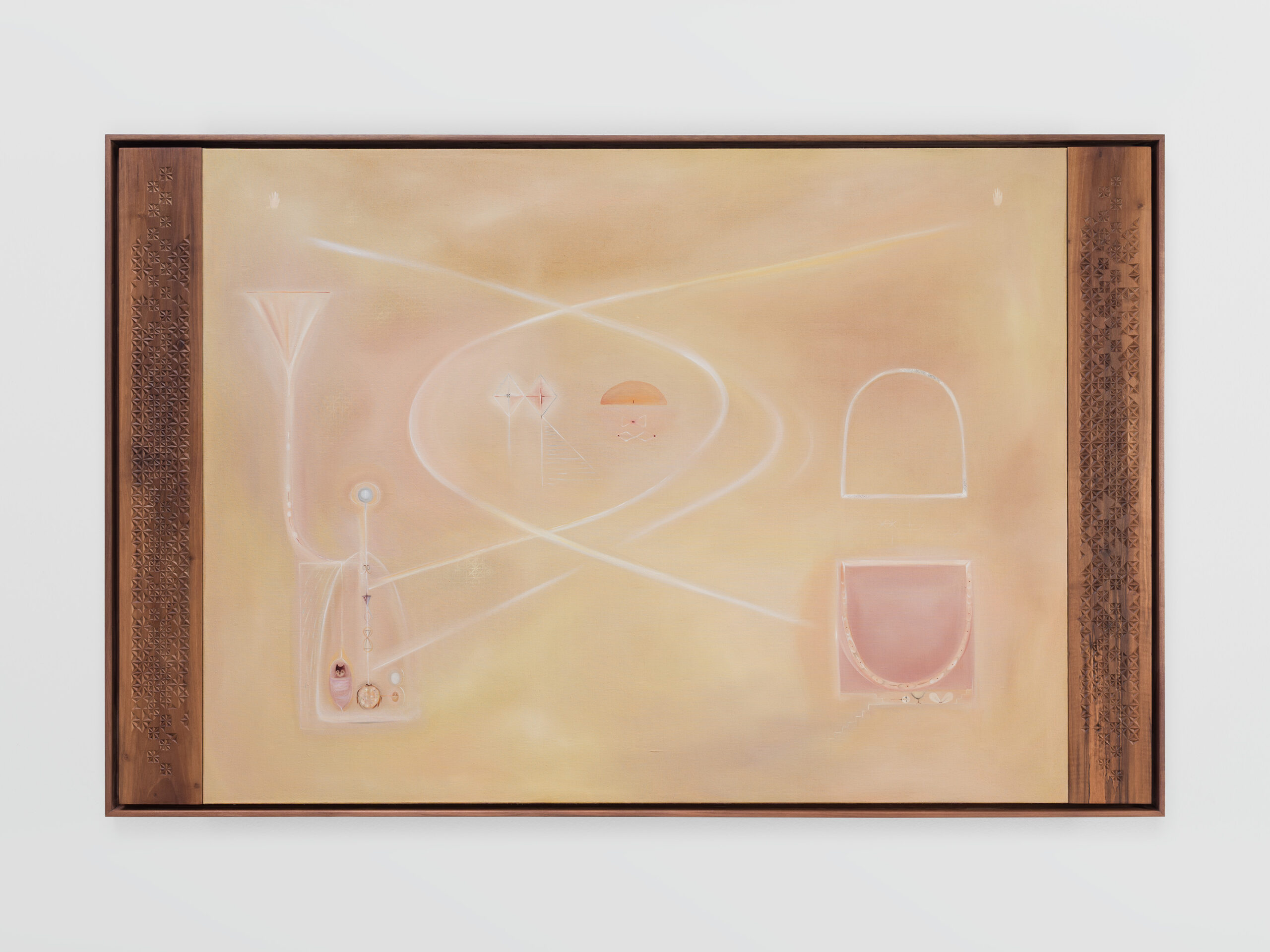
![]()
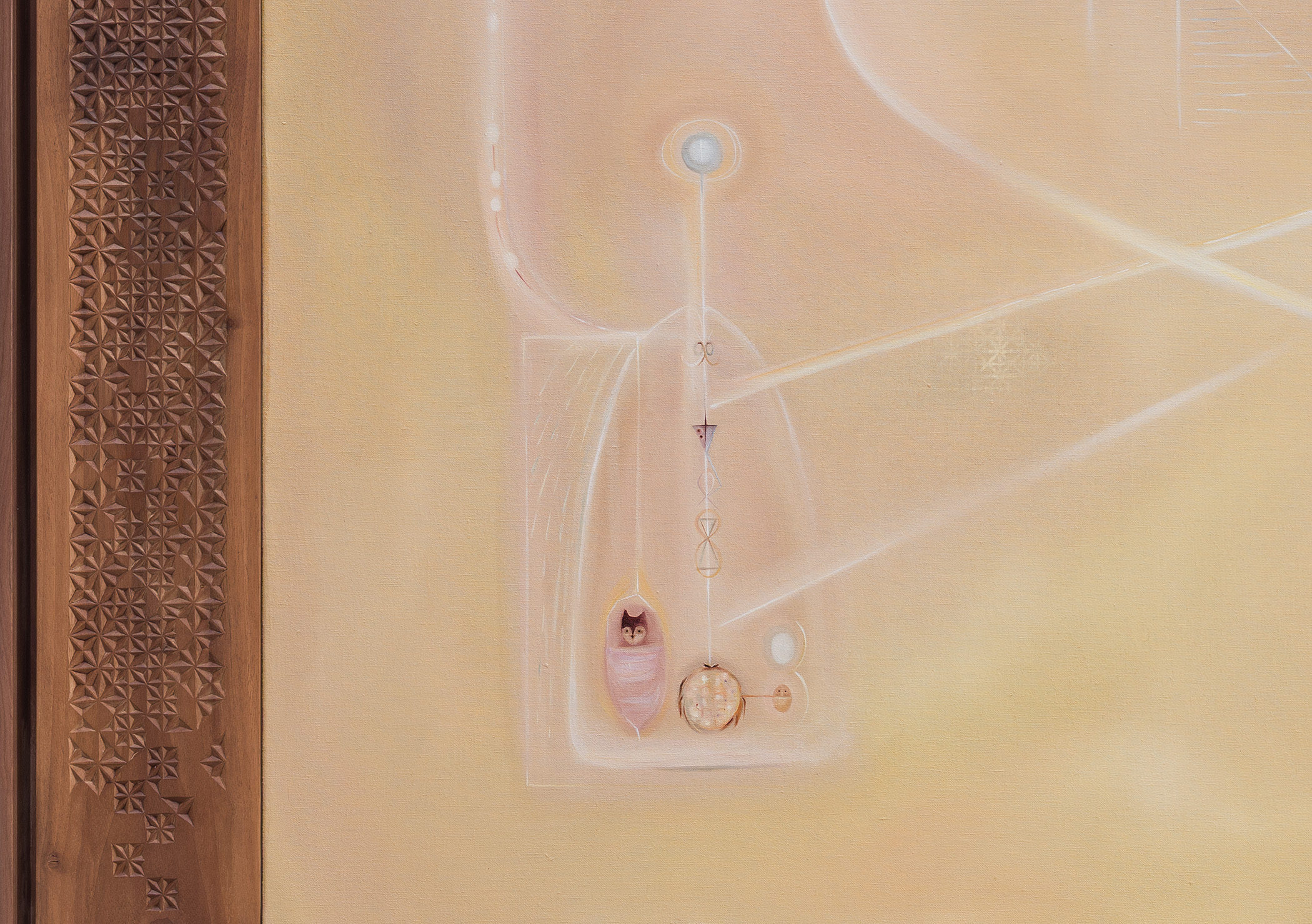
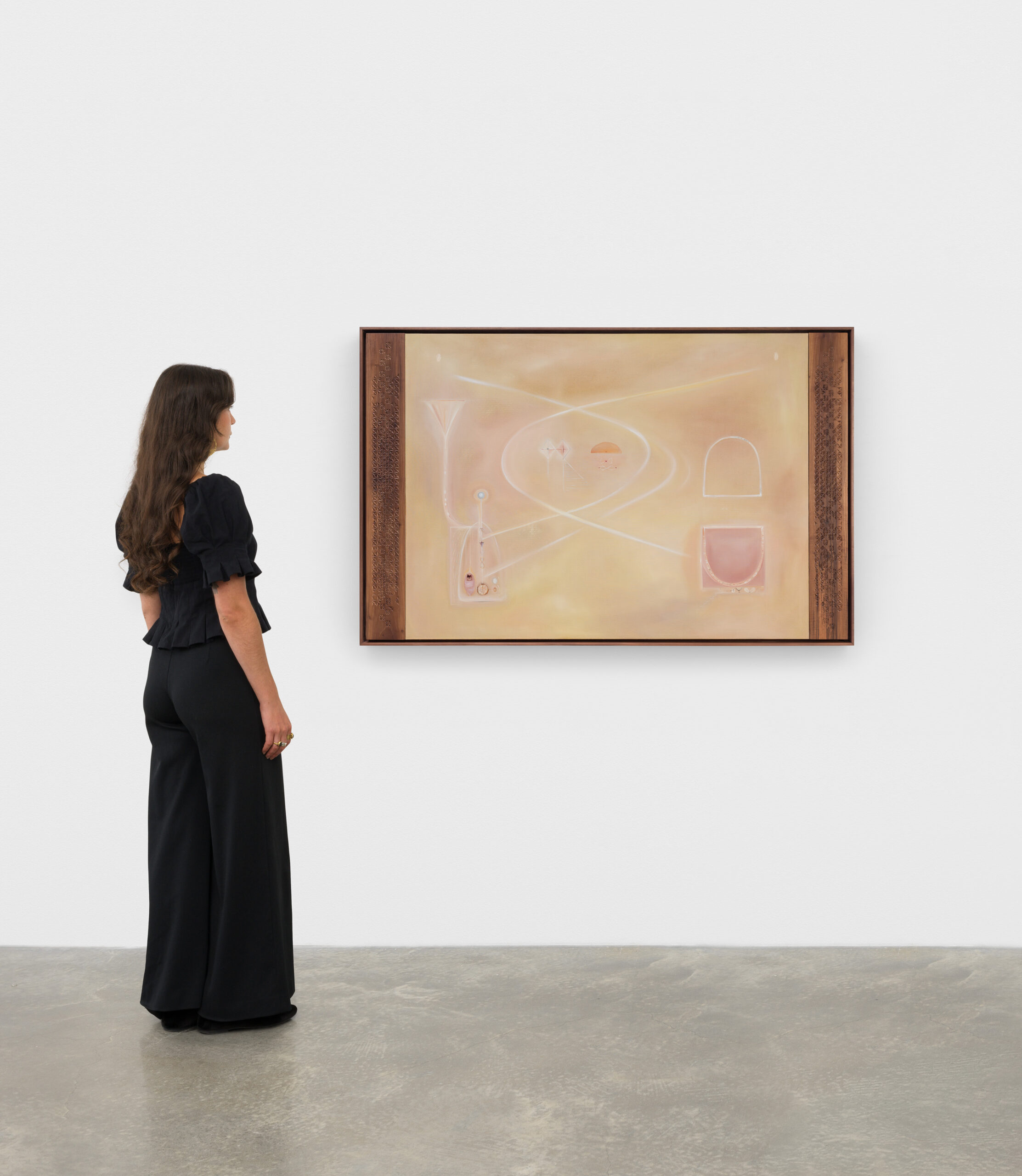
Patricia Fernández Carcedo
Interhemispheric connection, 2026
Oil on linen with hand-carved walnut frame
44.75 x 70.5 x 2" / 114.5 x 179 x 5.5cm
![]()
Patricia Fernández Carcedo
Interhemispheric connection, 2026
(detail view)
![]()
Patricia Fernández Carcedo
Interhemispheric connection, 2026
(alternate view)
Patricia Fernández Carcedo’s (b. 1980, Burgos, Spain) practice moves between painting, sculpture, and installation to recover and reconstruct a personal archive of materials. Within this framework, Fernández Carcedo situates her paintings alongside collected artifacts and hand-made objects from her inner world, including carved wood, bone, ceramics, bronze pieces, and woodwork created by her late grandfather, José Luis Carcedo. His carvings are recouped and expanded upon by the artist as intricately etched frames for her soft-toned oil paintings. These tableaus of arches, spirals, fragments of the body read as symbolic yet cryptic, as if belonging to a private cosmology—part relic, part hallucination.
For Art Basel Paris, Fernández Carcedo presents Interhemispheric connection (2026), her largest painting to date. Hand-carved walnut panels flank a warm color field inhabited by indeterminate animal figures, eggs, cells, geometric shapes, and organic architectural forms. Glowing white lines link between these embryonic structures as a kind of connective tissue, crisscrossing between the right and left sides of the painting like signals moving from one half of the brain to the other.
Recalling visits to Joachim Patinir’s Charon Crossing the Styx (1520–1524) in the Museo del Prado in Madrid, Spain, Fernández Carcedo recreates the 16th-century painting’s opposite shorelines as two walnut panels, whereupon her characteristic x-mark carvings propagate outward. These same marks are translated onto the painting as subtle white texture rubbings; a first dimension in an otherwise non-linear territory. Originally developed by the artist’s late grandfather as a kind of handwriting, the x-marks possess a “vital materiality,” a term introduced by theorist Jane Bennett for non-human matter that is nevertheless imbued with agency. Calling on this power, as the artist puts it, Interhemispheric connection “brings these forms of transmission together—between left and right, between generations, and between material and imagined worlds.”
Patricia Fernández Carcedo will present her inaugural solo exhibition at Casey Kaplan, New York, in Fall 2027.
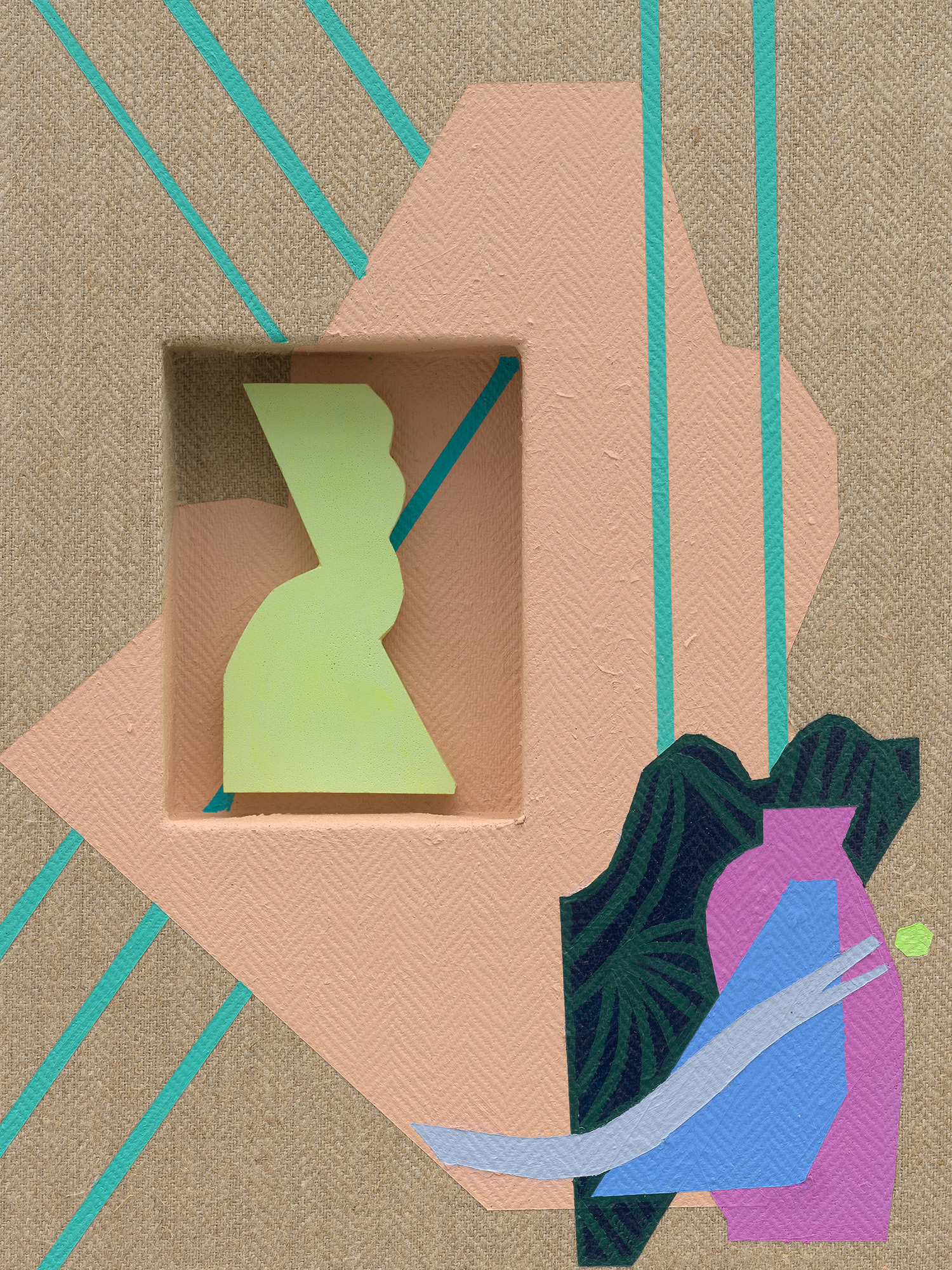
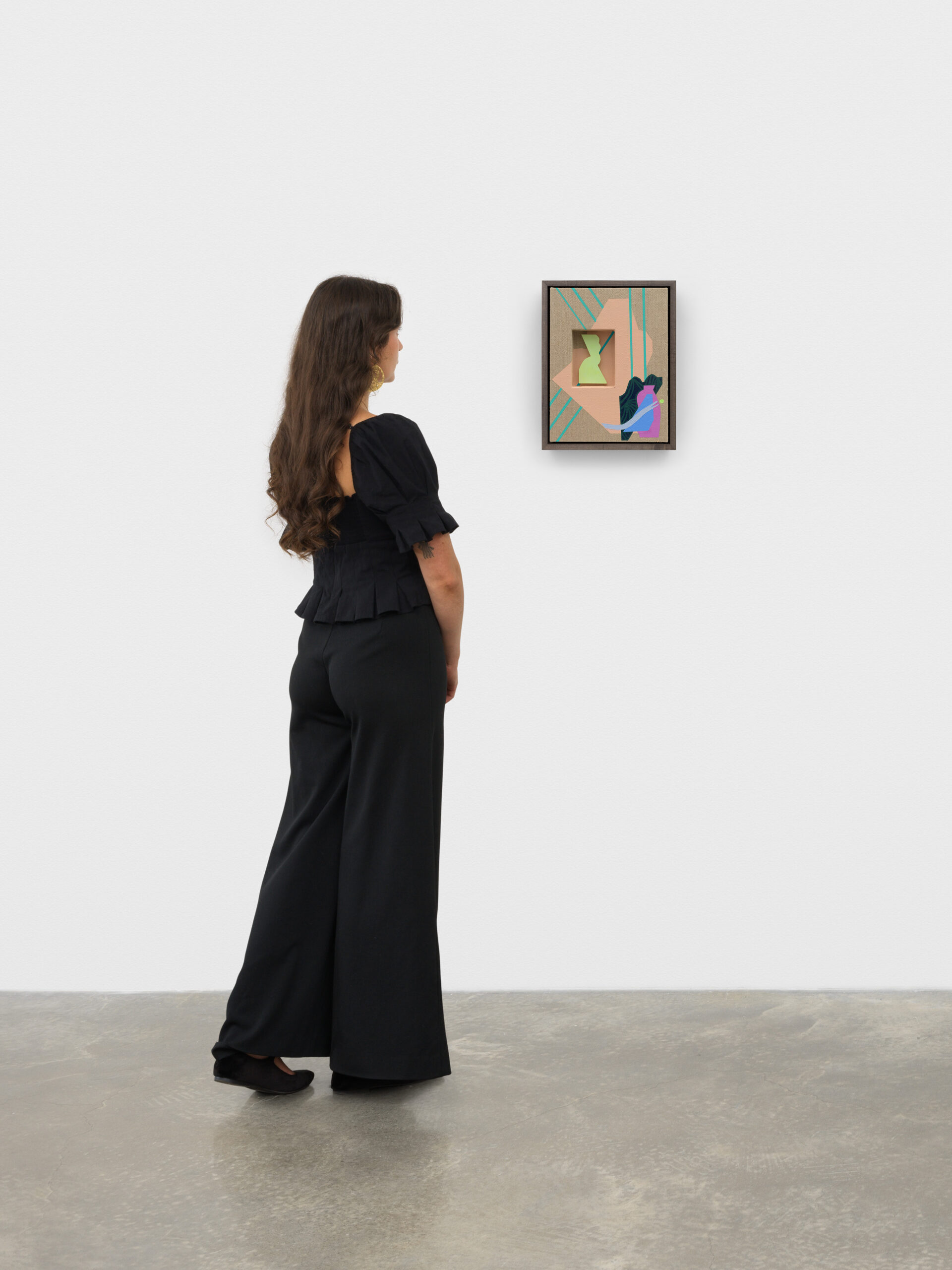
![]()
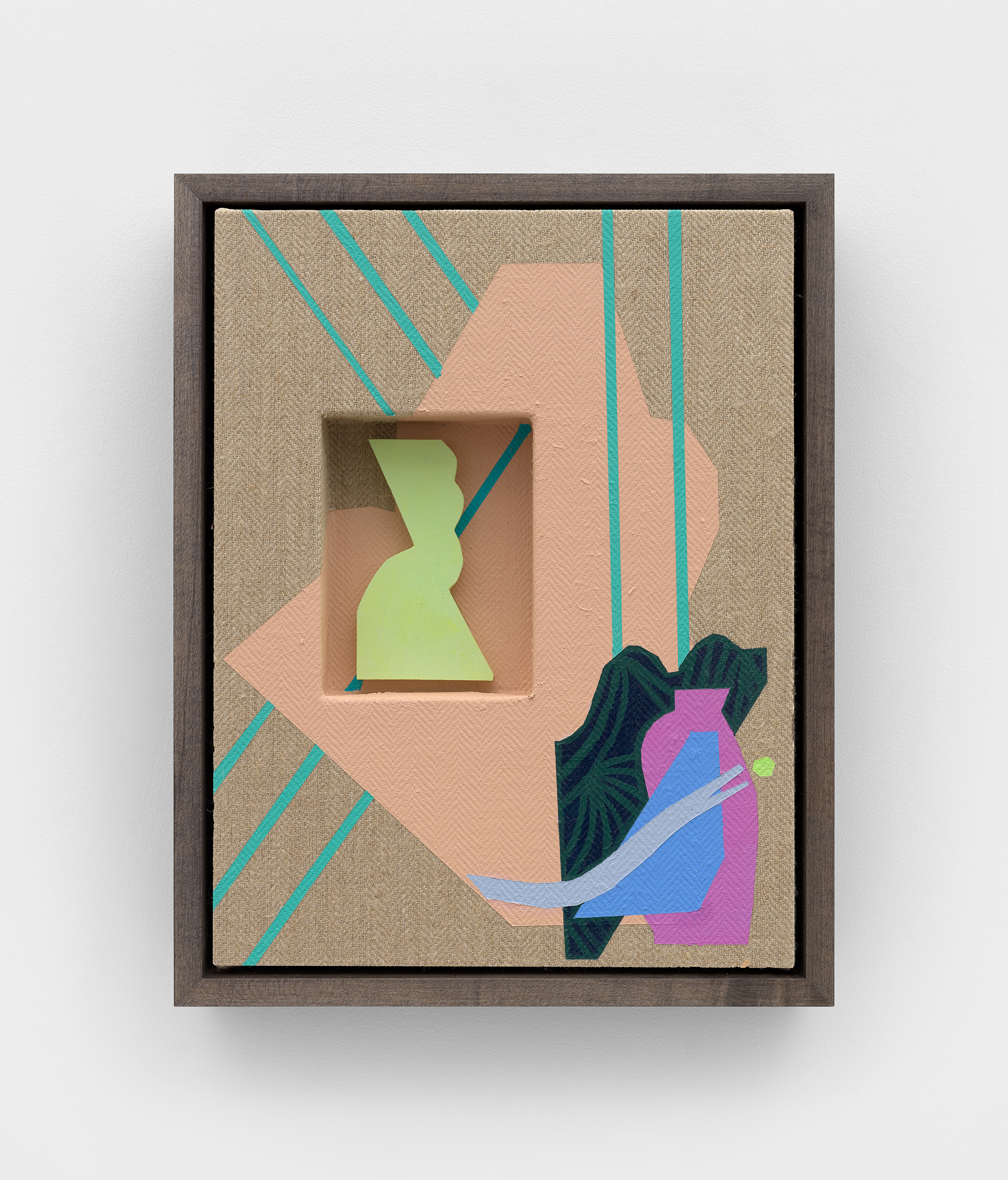
Caroline Kent
Luck takes you where desire can only pine, 2026
Acrylic on Belgian linen, pigmented cement
13 x 10" / 33 x 25.4cm
Framed: 14.5 x 11.5 x 2.75" / 36.83 x 69.34 x 6.98cm
![]()
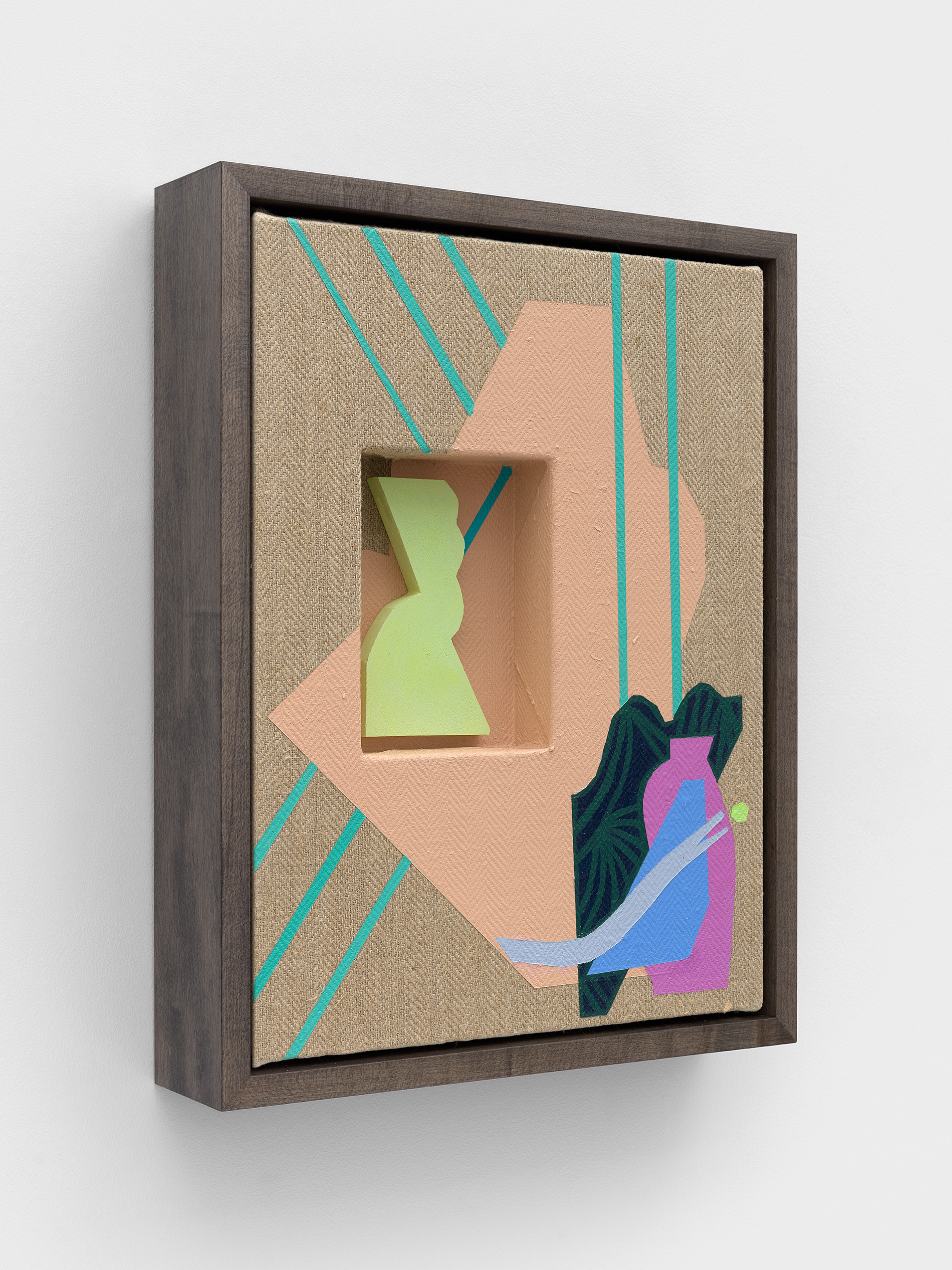
Caroline Kent
Luck takes you where desire can only pine, 2026
Caroline Kent’s (b. 1975, Sterling, IL) language of abstraction developed through an instinctive approach to color and form. Her practice encourages a mutual exchange between maker and viewer by way of invented modes of communication. Through painting, drawing, sculpture, text, and performance, Kent stretches the limitations of language to create a meaningful space for both silence and sound, shape, and empty ground.
Luck takes you where desire can only pine (2026) condenses Kent’s visual language into a frame that hovers between sweeping scene and intimate snapshot. The artist’s play with repetition—recall without exactitude—welcomes deviation as forms move across the picture plane and through its depth, like patterned wallpaper brushing past dormant sockets and traces of past inhabitants. A recess in the surface of the painting holds a miniature geometric motif cast in pigmented concrete.
Kent’s compositions draw from American black-and-white cinema of the 1950s and ’60s. When paused, a film frame resolves into a carefully structured field of tonal relationships, where gradients of gray spread evenly across the picture plane. Intimate domestic details—a lamp on an end table, patterned curtains, a dress, or a hat resting on a mantel—occupy the same flattened register of light and shadow, connected through gradation rather than depth. Echoes of these interiors recur throughout Kent’s titles and compositions, suggesting scenes that feel both familiar and perpetually out of reach.
![]()
Caroline Kent
Luck takes you where desire can only pine, 2026
(detail and alternate view)
![]()
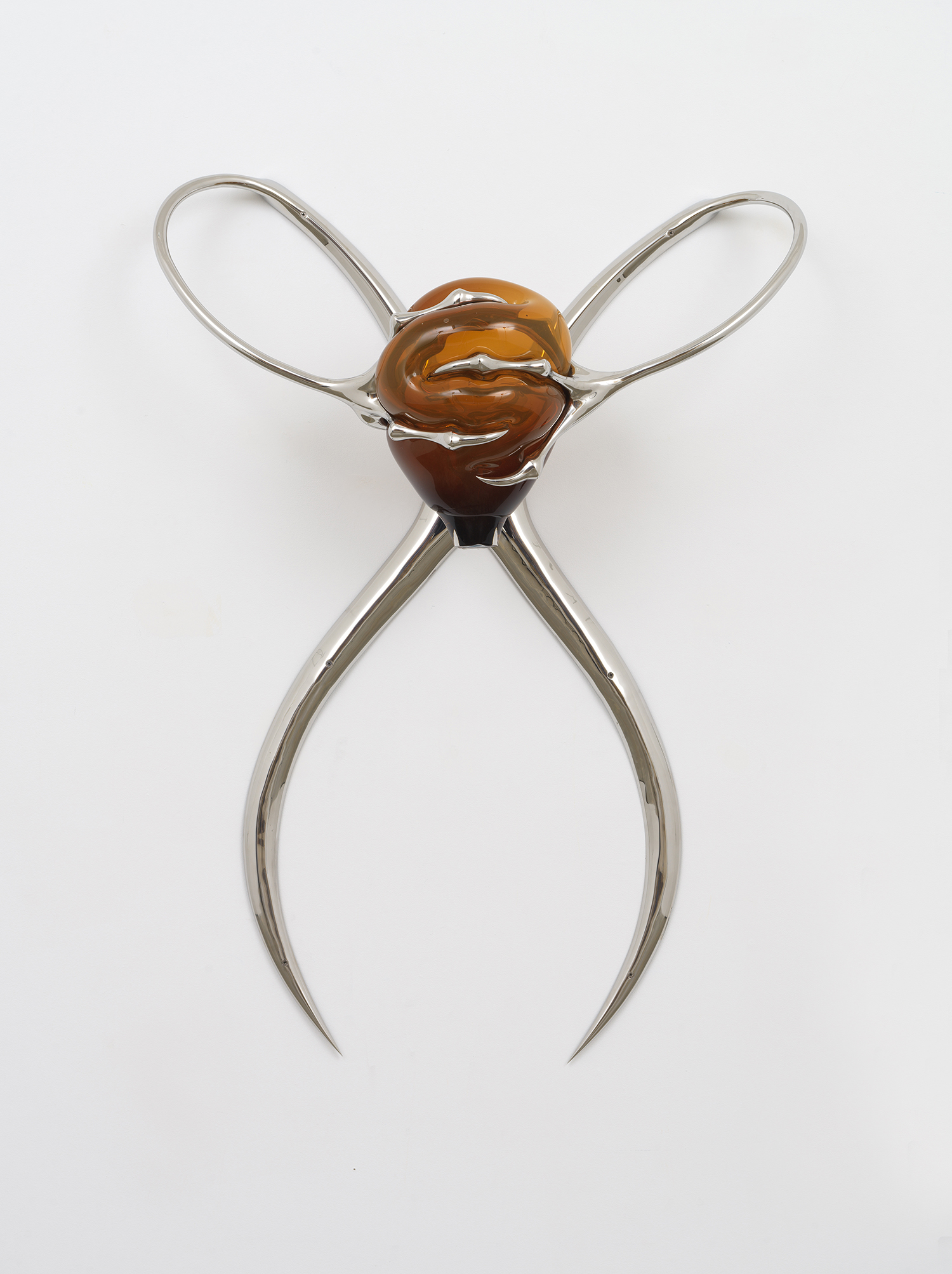
Hannah Levy
Untitled, 2026
Stainless steel, glass
48 x 34 x 15” / 121.9 x 86.4 x 38.1cm
A visceral moment of stretching or squishing is the impetus of each of Hannah Levy’s (b. 1991, New York, NY) objects; the clash between materials with contrasting tactile qualities informs the sculpture’s final form.
For Art Basel Paris, Levy presents Untitled (2026), an abstract insect-like form mounted to the wall evoking Art Nouveau traditions where natural contours are translated into metal. At its center a glossy, translucent amber orb is held tightly by the squeeze of a taloned grip—an encounter frozen in time as glass cools and hardens after being blown through stainless steel claws. Four long, highly polished loops extend from behind, creating a shape reminiscent of wings. Two upper loops curve outward and upward, while two vine-like lower stems sweep downward to sharp, tapered points. Negotiating between organic fluidity and engineered austerity, Levy’s sconce-like sculpture straddles the ornate of Art Nouveau with the precision of Modernist design.
![]()
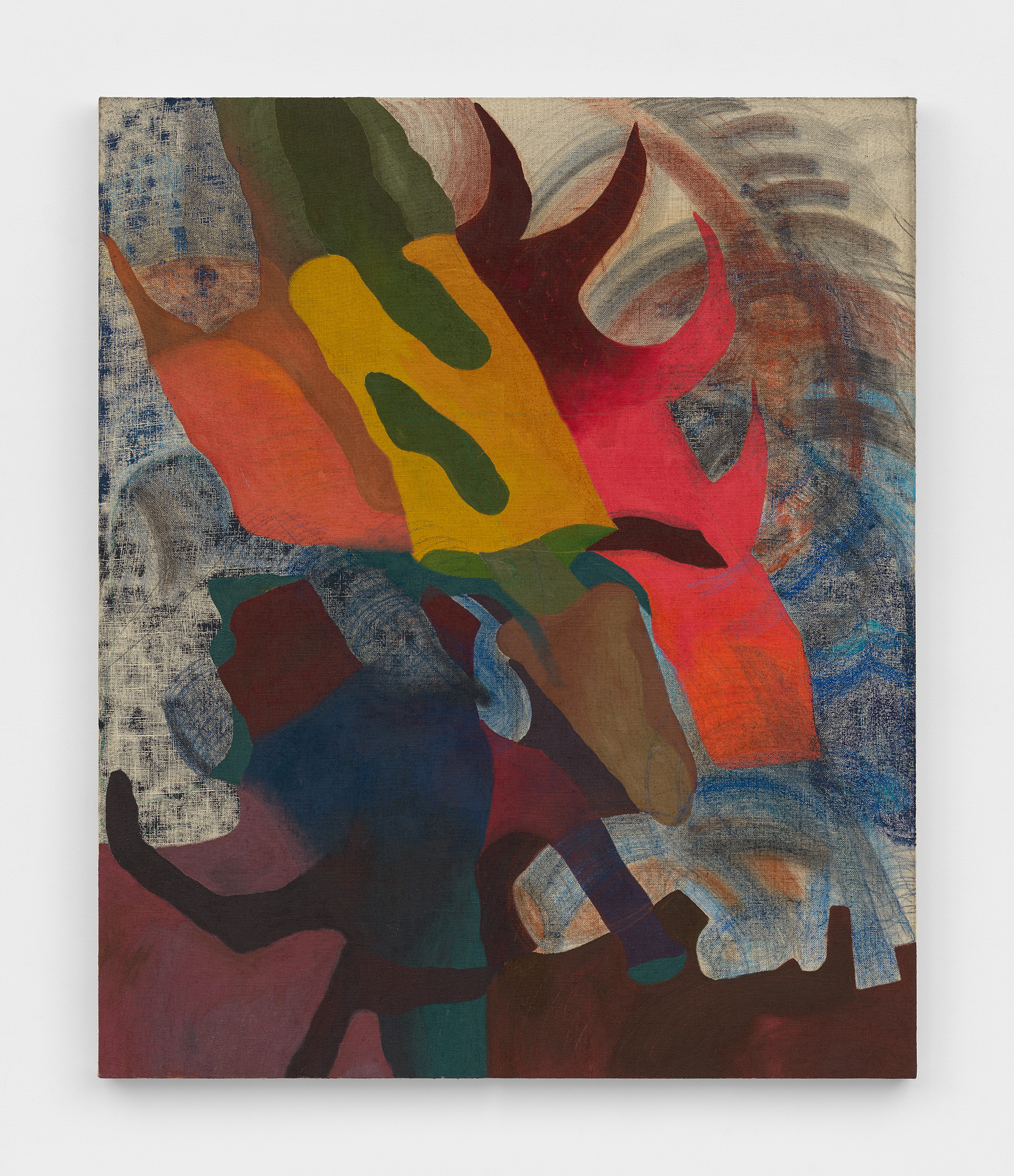
Kaveri Raina
resonant awakening, 2026
Acrylic, oil pastel, graphite, burlap
60 x 50” / 152.4 x 127cm
![]()
Kaveri Raina
resonant awakening, 2026
(alternate view)
Kaveri Raina (b. 1990, New Delhi, India) evokes the corporeality of lived and imagined events through paintings that fuse personal memory with inherited histories. Gestural forms become vessels of memory, giving shape to generations of dislocation.
In resonant awakening (2026), Raina introduces a new motif. A central form reimagines a conch shell, or shankha in Sanskrit, rendered in a gradient of dense acrylic paint that transitions from burgundy to magenta and orange. A sacred emblem associated with the Hindu deity Vishnu, the conch is sounded during prayer and ceremony. In Raina’s hands, its auspicious intents take new shape, as the conch’s spikes radiate with vivid color. Banishing negative energies, its form gains power, becoming less a fixed symbol than a conduit. A cacophony of invented images overlap and collide, while paint pushed through the reverse of the burlap creates a shifting, permeable ground. Inherited memories and rituals swirl across the composition in graphite and pastel, charging the atmosphere as a familiar symbol comes newly into view.
![]()
Kaveri Raina
resonant awakening, 2026
(detail view)
![]()
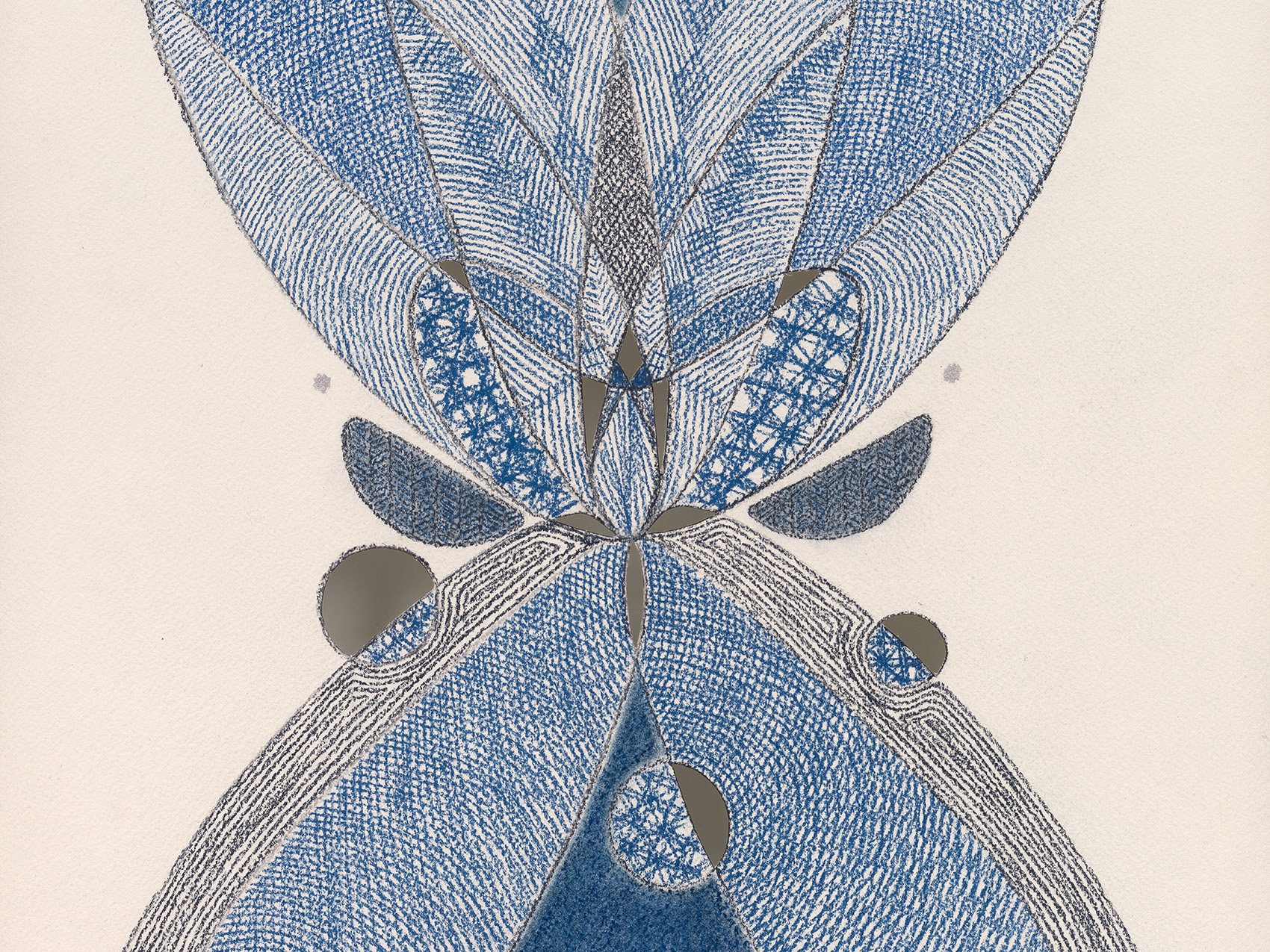
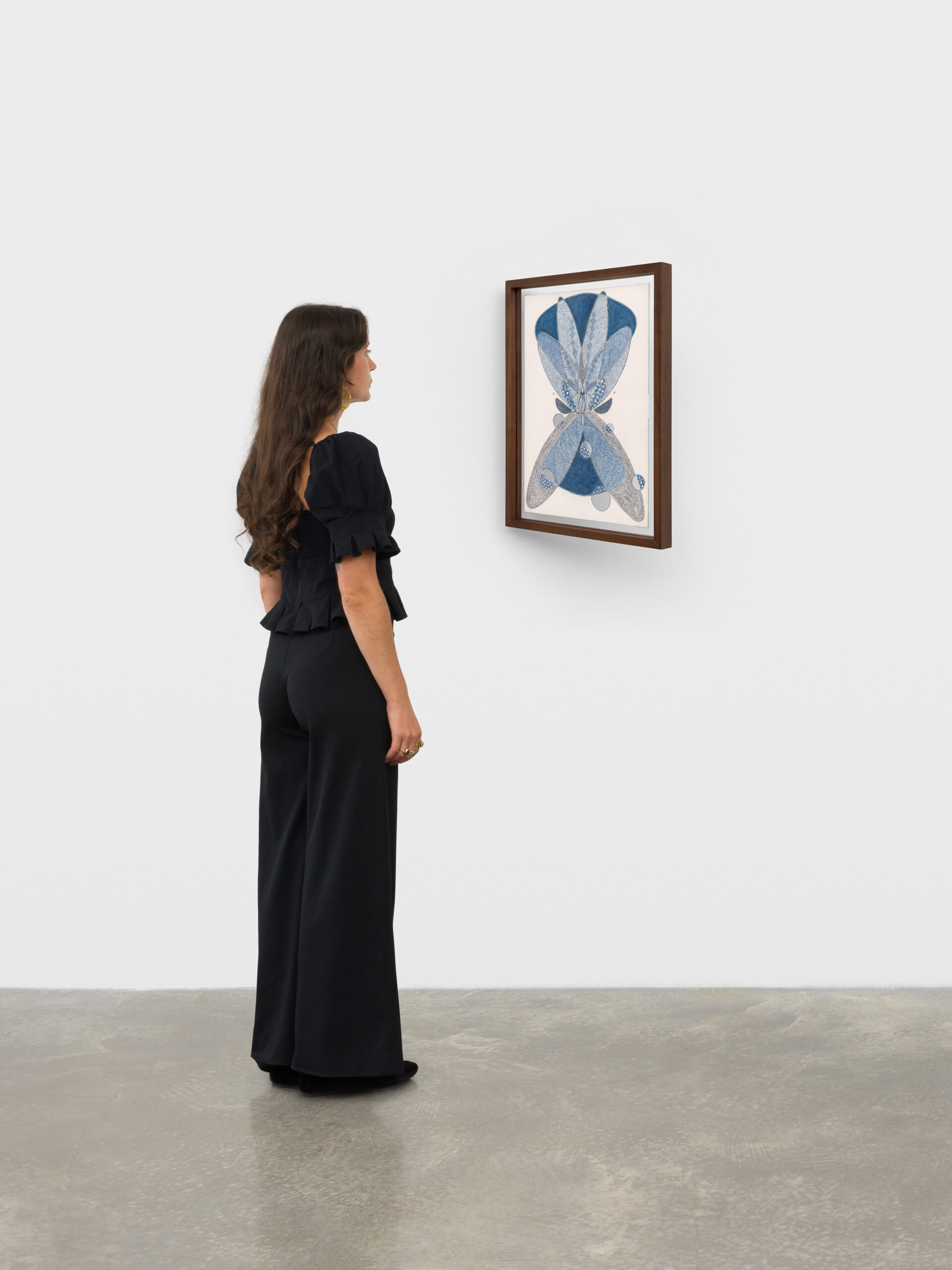
Johanna Unzueta
A leaf from another tree XIV, 2026
Pastel pencil, oil pastel, cut paper, watercolor and thread on watercolor paper
23 x 17.75 x 2" / 58.4 x 45.1 x 5.1cm
Paper size: 20 x 14" / 50.8 x 35.6cm
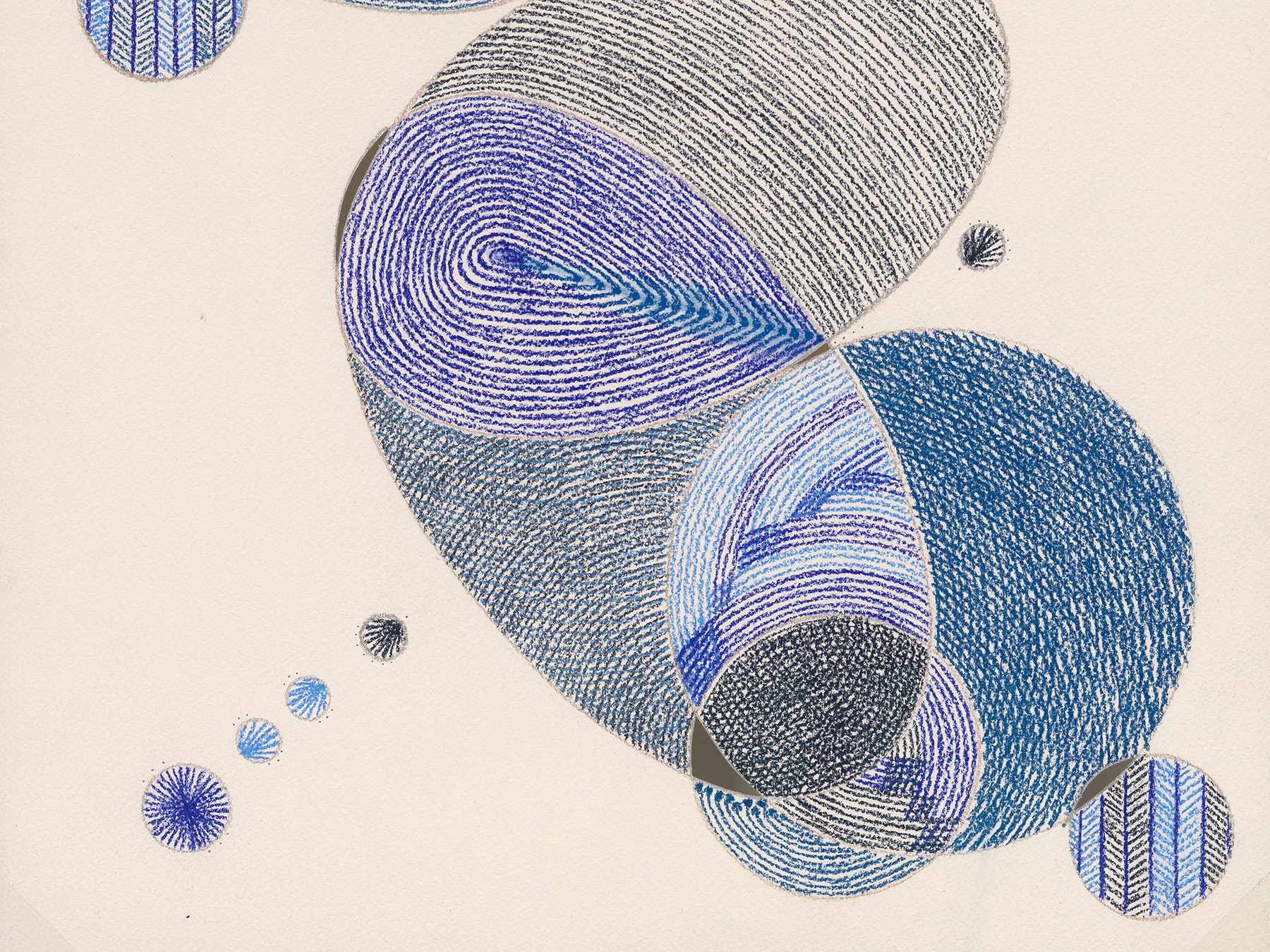
![]()
Johanna Unzueta
A leaf from another tree XIII, 2026
Pastel pencil, oil pastel, cut paper, watercolor and thread on watercolor paper
23 x 17.75 x 2" / 58.4 x 45.1 x 5.1cm
Paper size: 20 x 14" / 50.8 x 35.6cm
![]()
Johanna Unzueta
A leaf from another tree XIV, 2026
(detail view)
![]()
Johanna Unzueta
A leaf from another tree XIV, 2026
(alternate view)
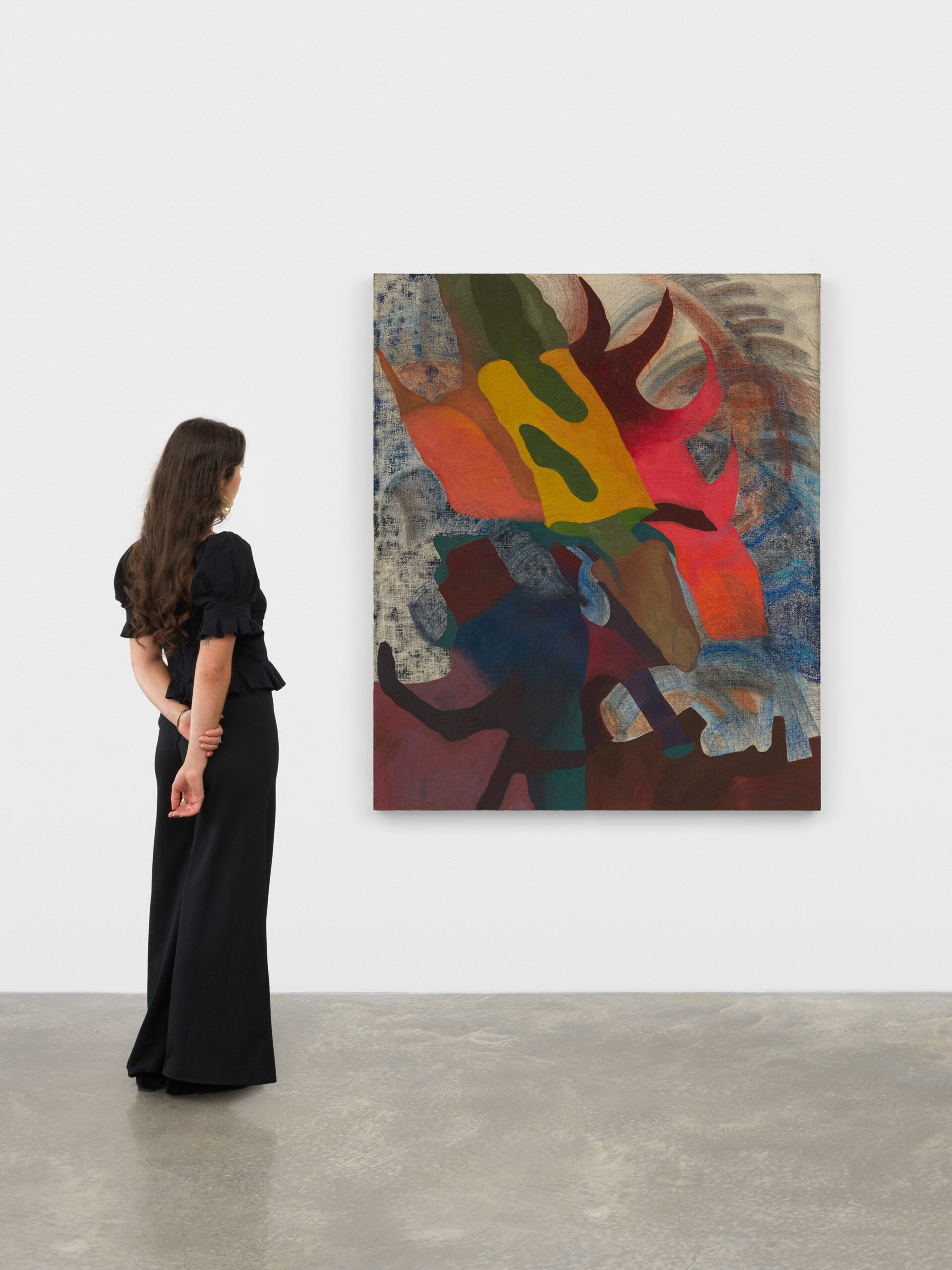
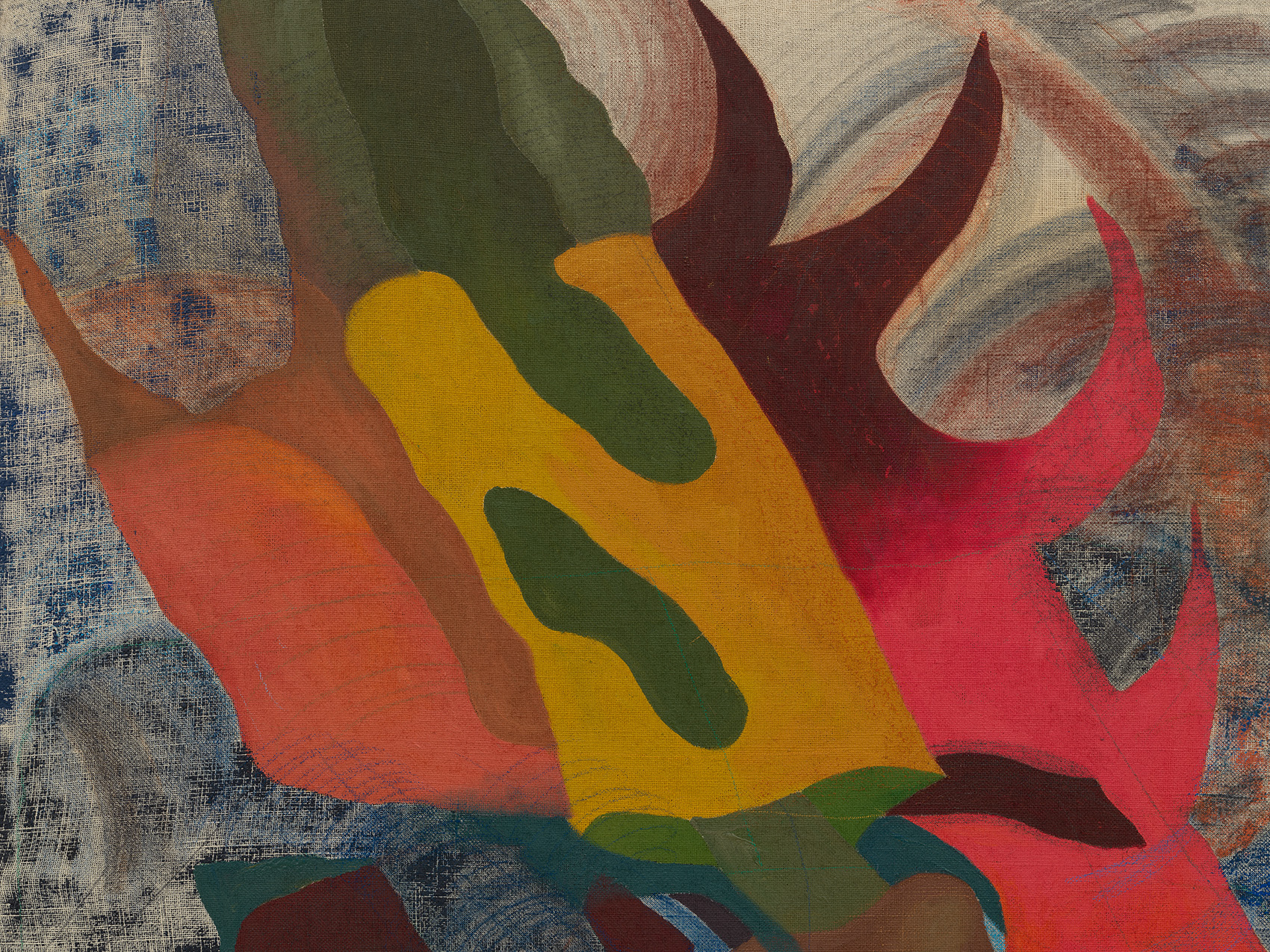
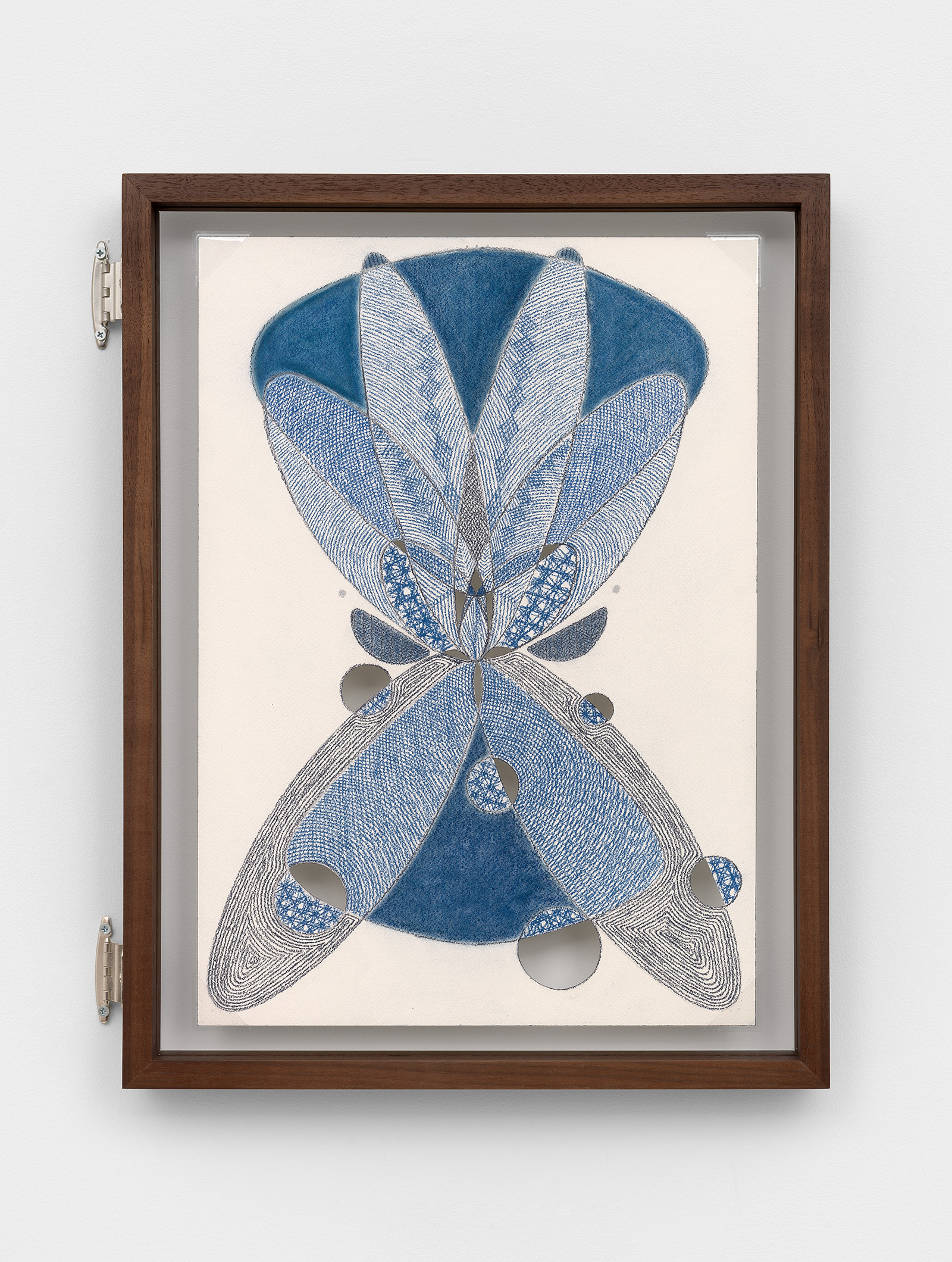
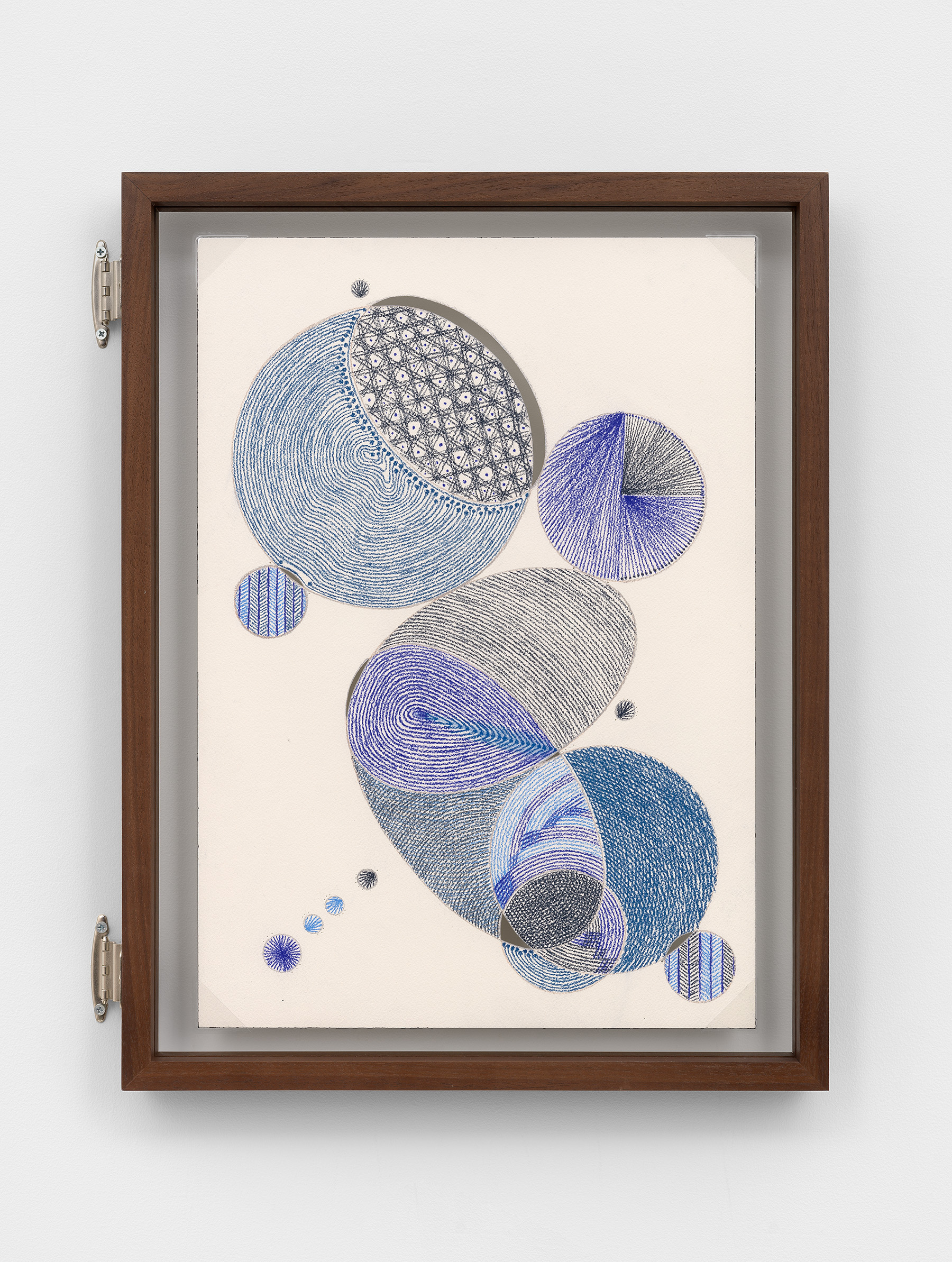
Johanna Unzueta (b. 1974, Santiago, Chile) grounds her interdisciplinary practice in the material and social histories of Latin America, shaped by a deep connection to her Chilean upbringing. Working closely with surrounding communities, landscapes, and craft traditions, she uses humble, everyday materials—felt, cotton, recycled wood, paper, thread, and natural pigments—to examine economies of labor and the hierarchies that determine how people and resources circulate. Across installation, sculpture, drawing, film, and mural-making, her work is unified by a sensitivity to process and the quiet transformations of handmade labor.
A leaf from another tree XIII and A leaf from another tree XIV (both 2026) belong to a body of work in which drawing functions not only as an image, but as a way of measuring, accumulating, and registering time through the body's movements. The series is continued in Unzueta’s second solo exhibition at Casey Kaplan, Gardens in Orbit, on view through October 24, 2026. Across her practice, the artist returns to the circular and elliptical forms that have long shaped her visual language. Drawn from paper templates, embroidery hoops, and close observation of botanical, cellular, and planetary structures, these recurring motifs reflect an understanding of nature as cyclical rather than linear. Lines loop back on themselves, forms repeat at different scales, and each composition becomes part of an evolving vocabulary without a fixed beginning or end. The exhibition returns to drawing not as a point of origin left behind, but as a practice continually renewed.
Affixed along the walls with hinges, the drawings can be opened and repositioned, allowing each arrangement to respond to its surroundings. Their mobility gives action to drawing — rather than remaining fixed, the works shape the cadence of the room, encouraging viewers to move alongside them while revealing new relationships between individual panels.
![]()
Johanna Unzueta
A leaf from another tree XIII, 2026
(detail view)
![]()
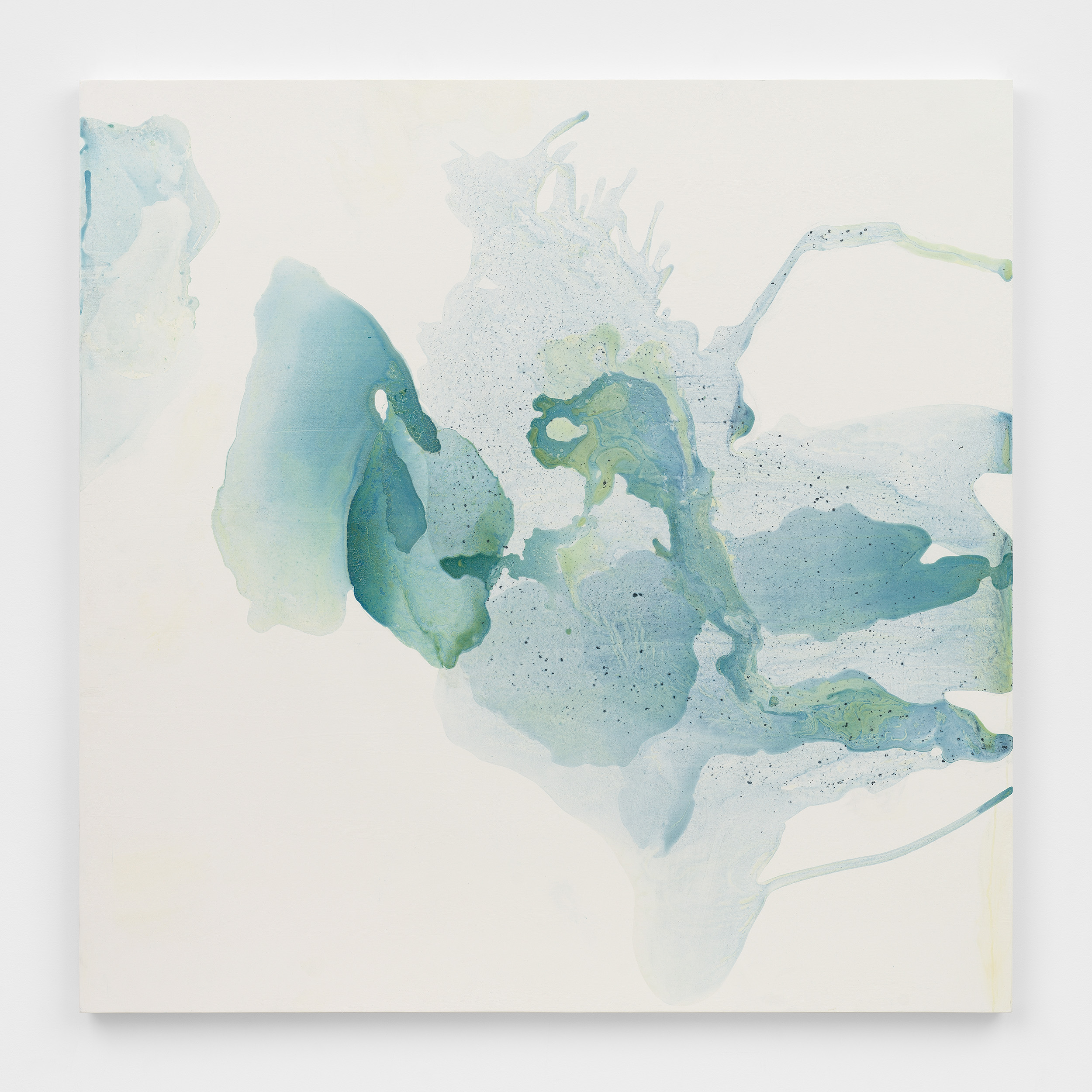
Amanda Williams
This problem is aptly captured by the question, 2026
Innovation Blue pigment, casein, emulsion, cold wax on panel
60 x 60" / 152.4 x 152.4cm
![]()
Amanda Williams
This problem is aptly captured by the question, 2026
(detail view)
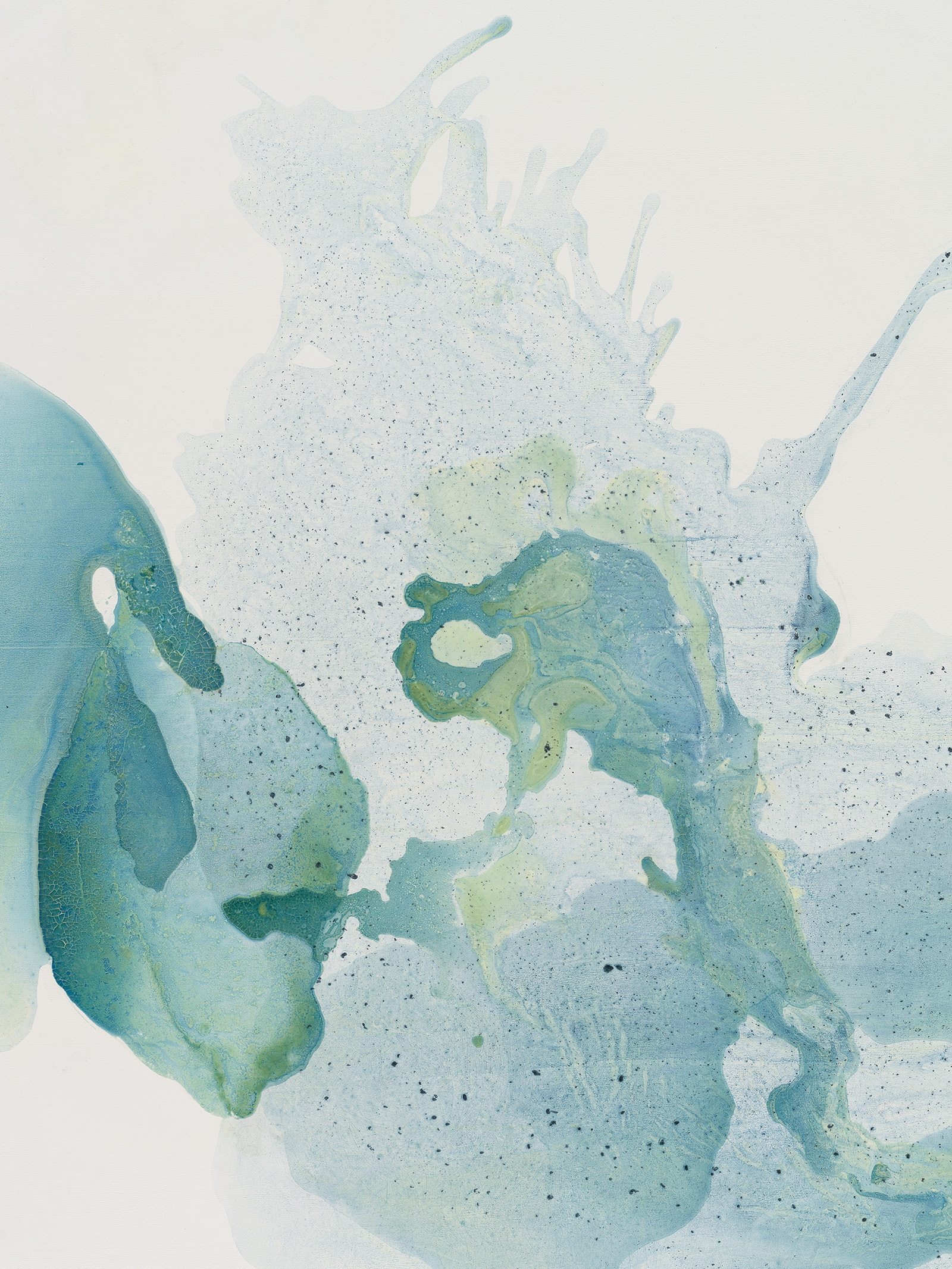
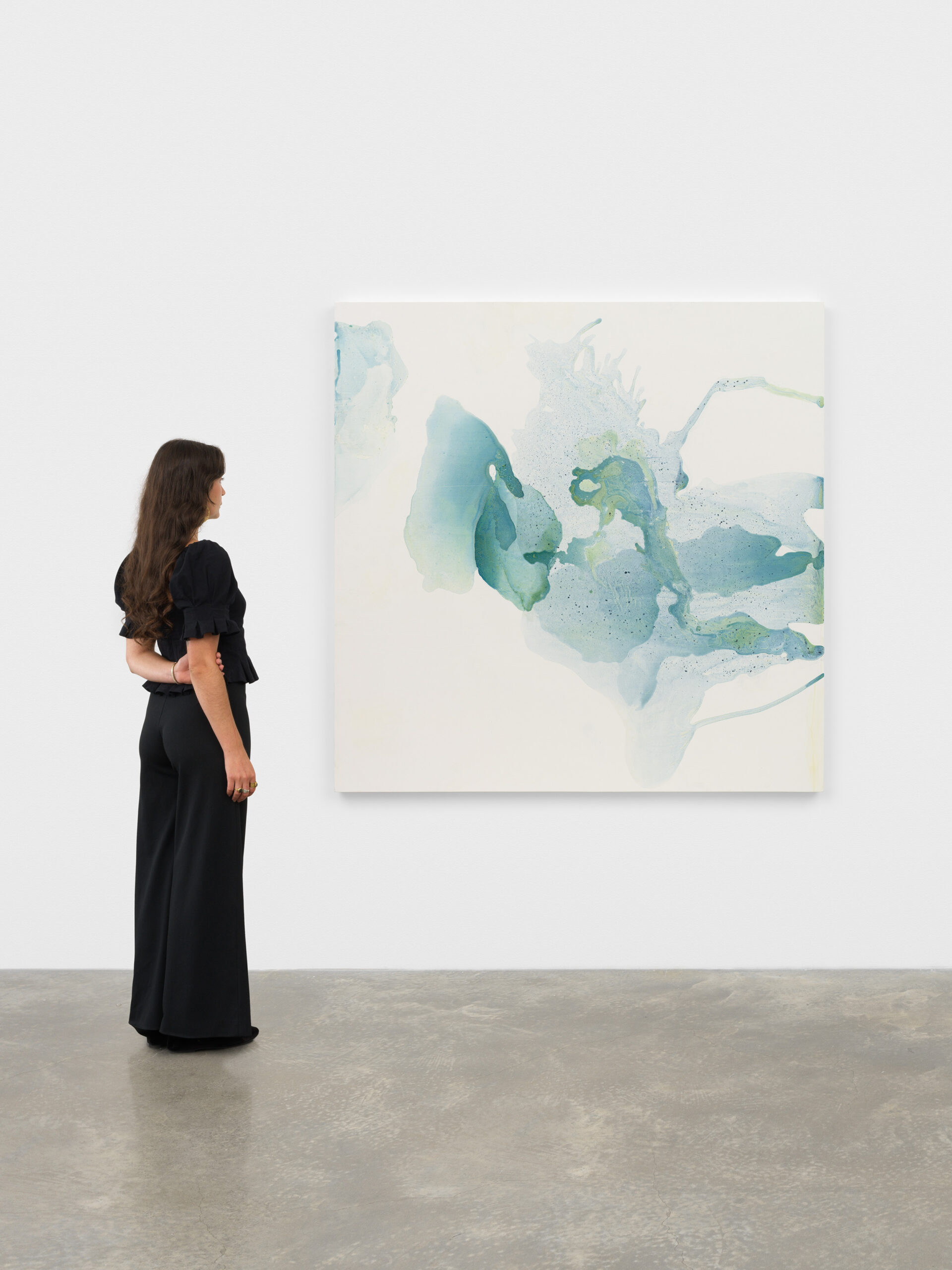
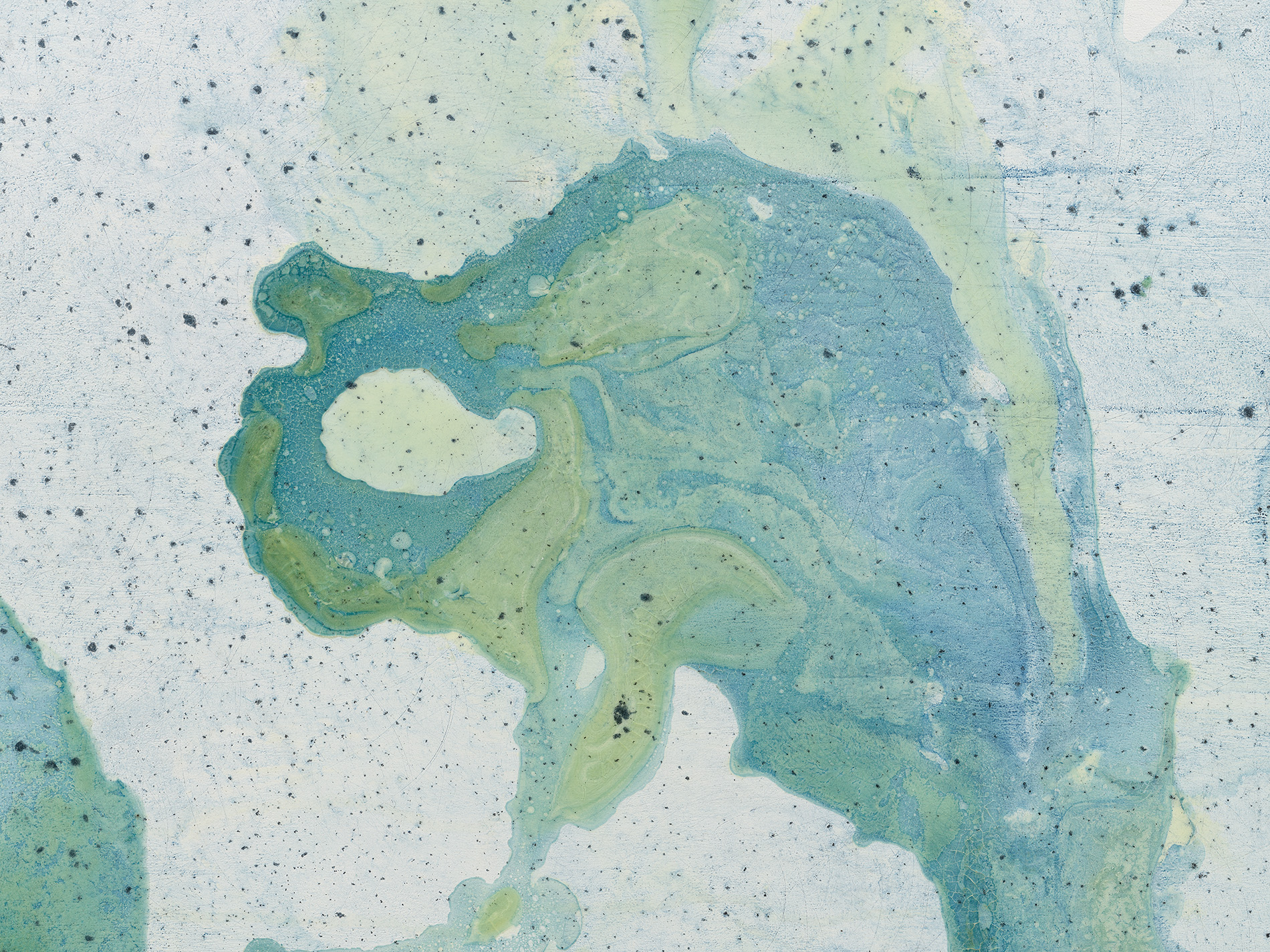
This problem is aptly captured by the question (2026) is Amanda Williams’ latest painting made with Innovation Blue, a new pigment inspired by an under-realized recipe for Prussian Blue patented by George Washington Carver in 1927. Against a warm white gesso ground, blue-on-blue exchanges pool and stretch across the work’s surface, forging bodily, sentient forms that seem to reach for each other in search of connection and collision. At the molecular level, particles of Innovation Blue are mixed in varying concentrations with traditional paint binders (emulsion and casein), yielding new and unexpected color phenomena. Shifting greens and teals emerge as a result of this chemical “interference” with the binders, raising questions of chromatic perception central to Williams’ practice.
Inherently experimental, each painting in this new iteration of Innovation Blue acts as its own control, arriving at compositions and textures through trial and error. As her active contribution to the lineage of Black innovation, the works allude to scientific fields of chaos theory, fluid dynamics, and contradictions within classical interpretations of reality. Through both palette and form, Williams’ cascades recall the silhouettes of Susan Weil’s blueprint collaborations with Robert Rauschenberg (1949-51), and the corporeal impressions of David Hammons’ body prints (1968-79). As progenitor innovators, happenstance meets an economy of means.
In her broader practice, Williams (b. 1974, Evanston, IL) deconstructs the physical and psychological systems of inequity associated with race. Informed by her architectural background, Williams’ command of space shapes her meditations on race, color, and value. With a multidisciplinary practice that spans painting, works on paper, photography, sculpture and public installation, Williams communicates through a chromatic language of abstract and material methods.
The Museum of Contemporary Art Chicago will present a solo exhibition of work by Amanda Williams, curated by Jadine Collingwood, from April 9, 2027 - March 5, 2028.
![]()
Amanda Williams
This problem is aptly captured by the question, 2026
(alternate view)
![]()
Amanda Williams
This problem is aptly captured by the question, 2026
(detail view)
![]()
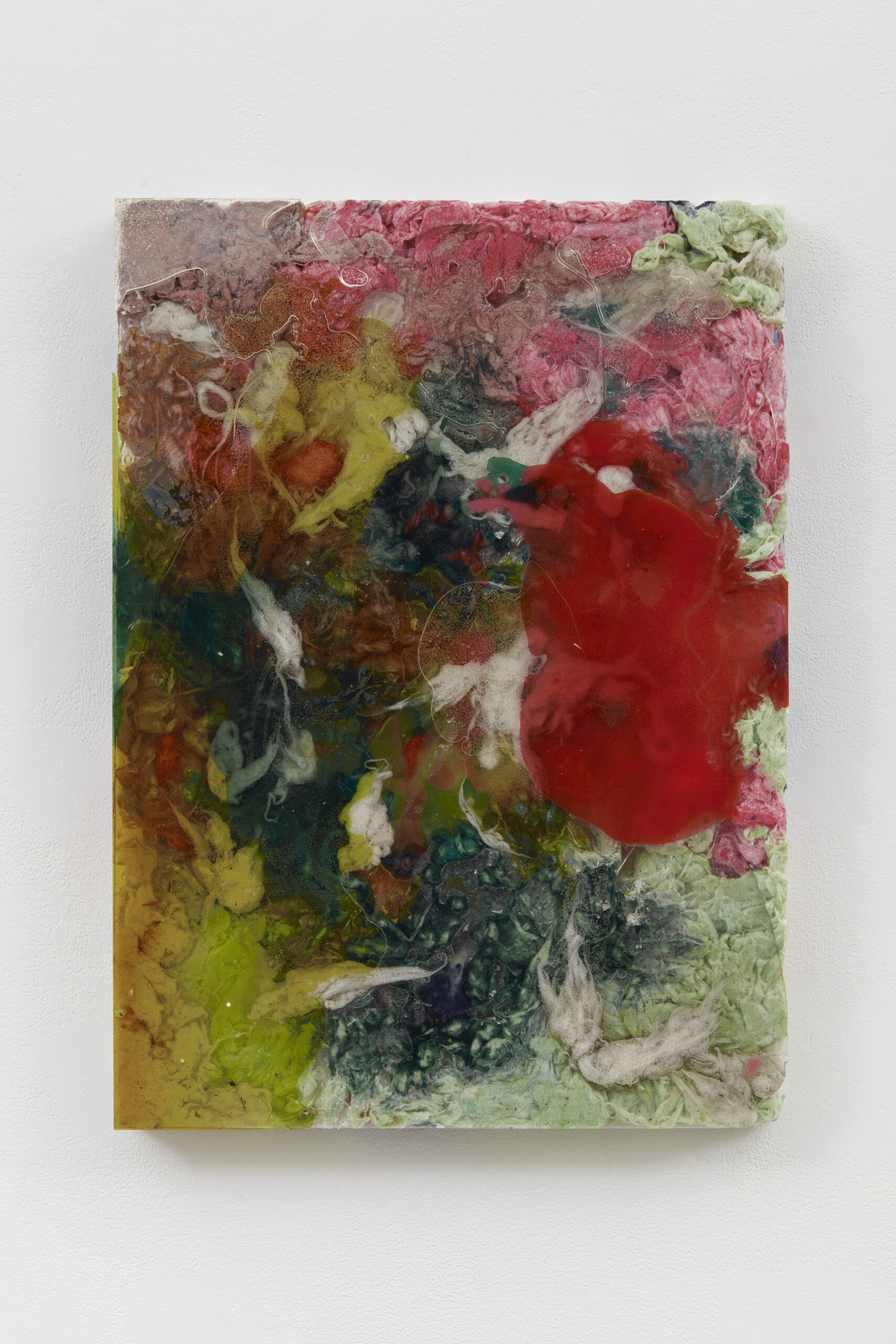
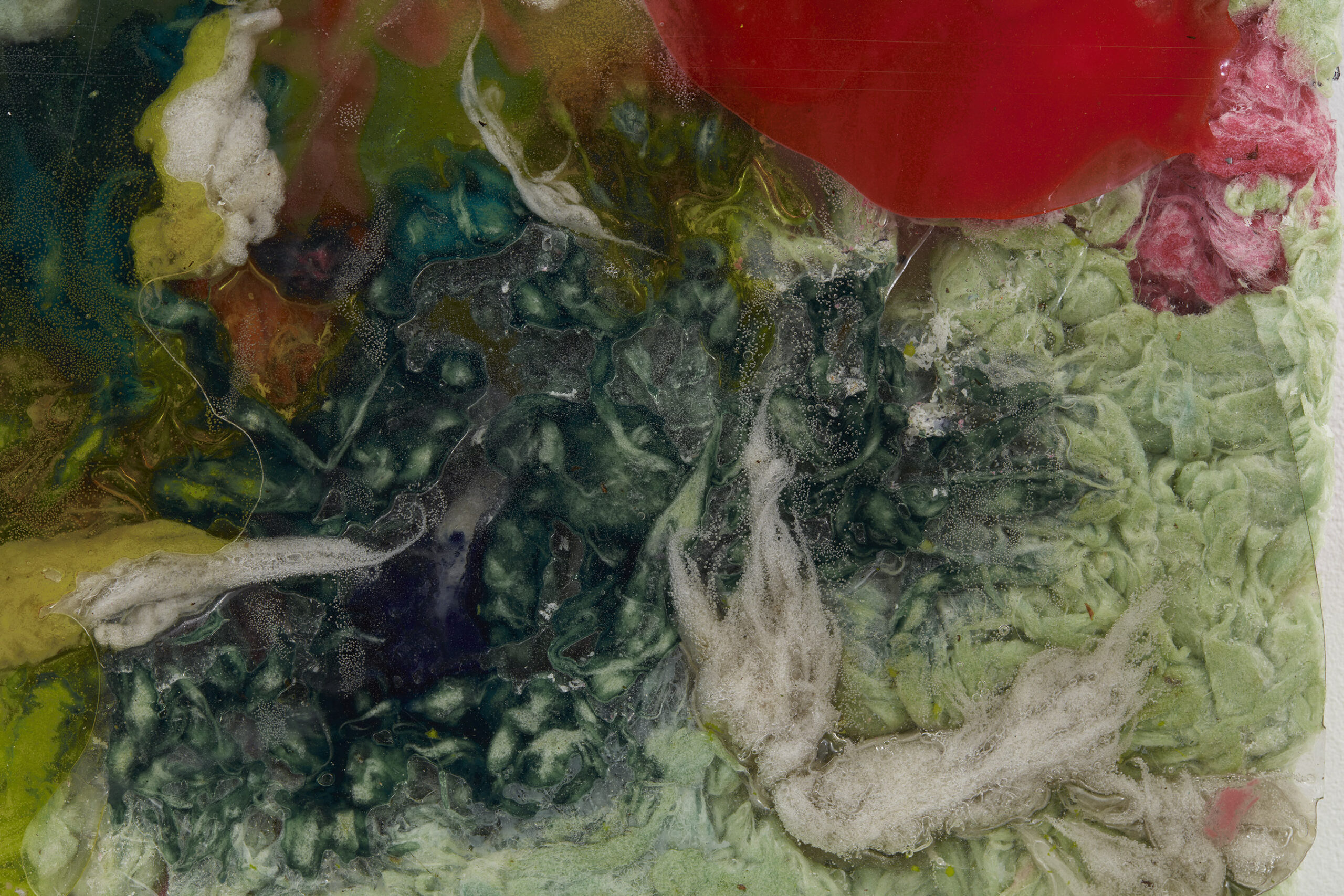
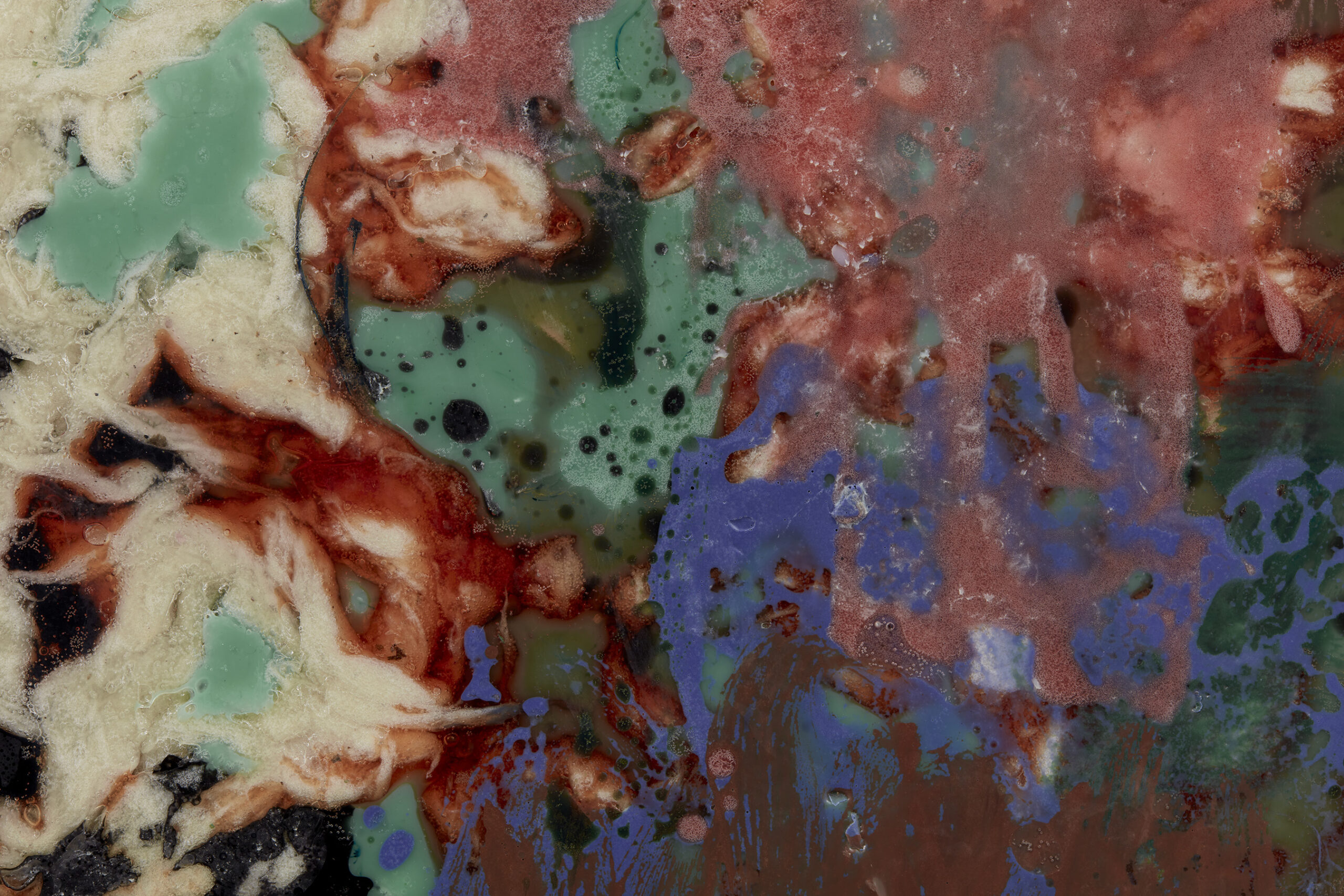
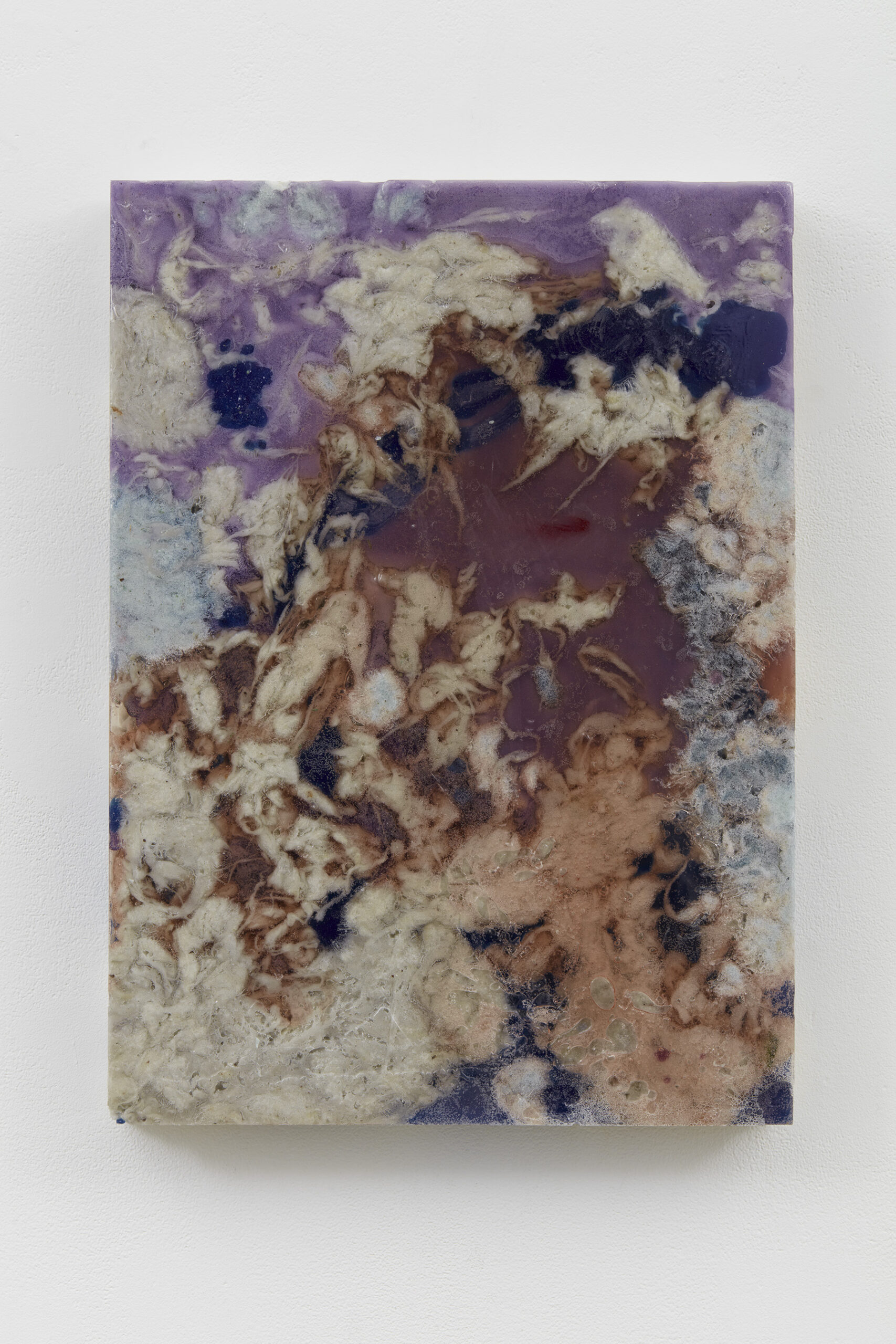
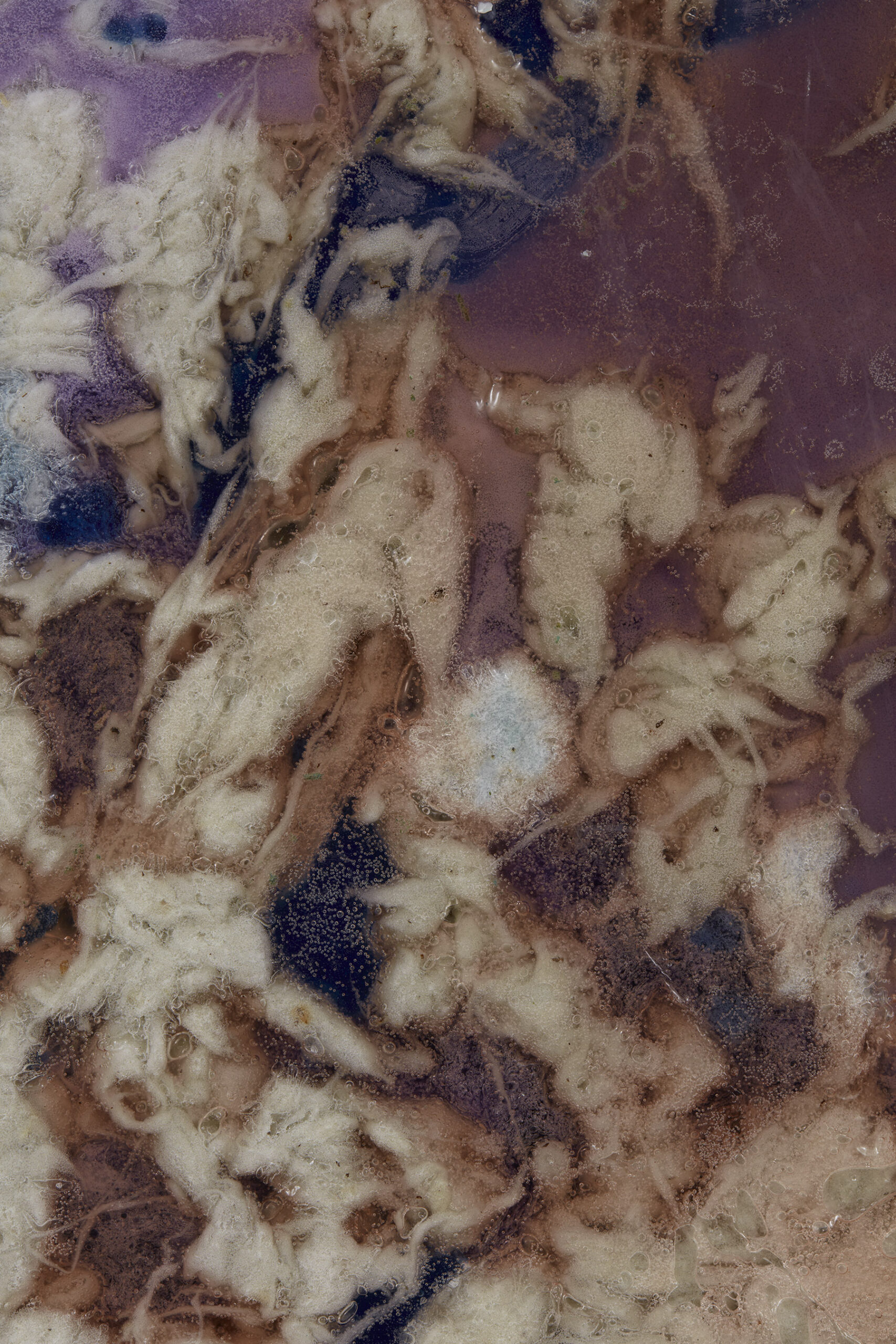
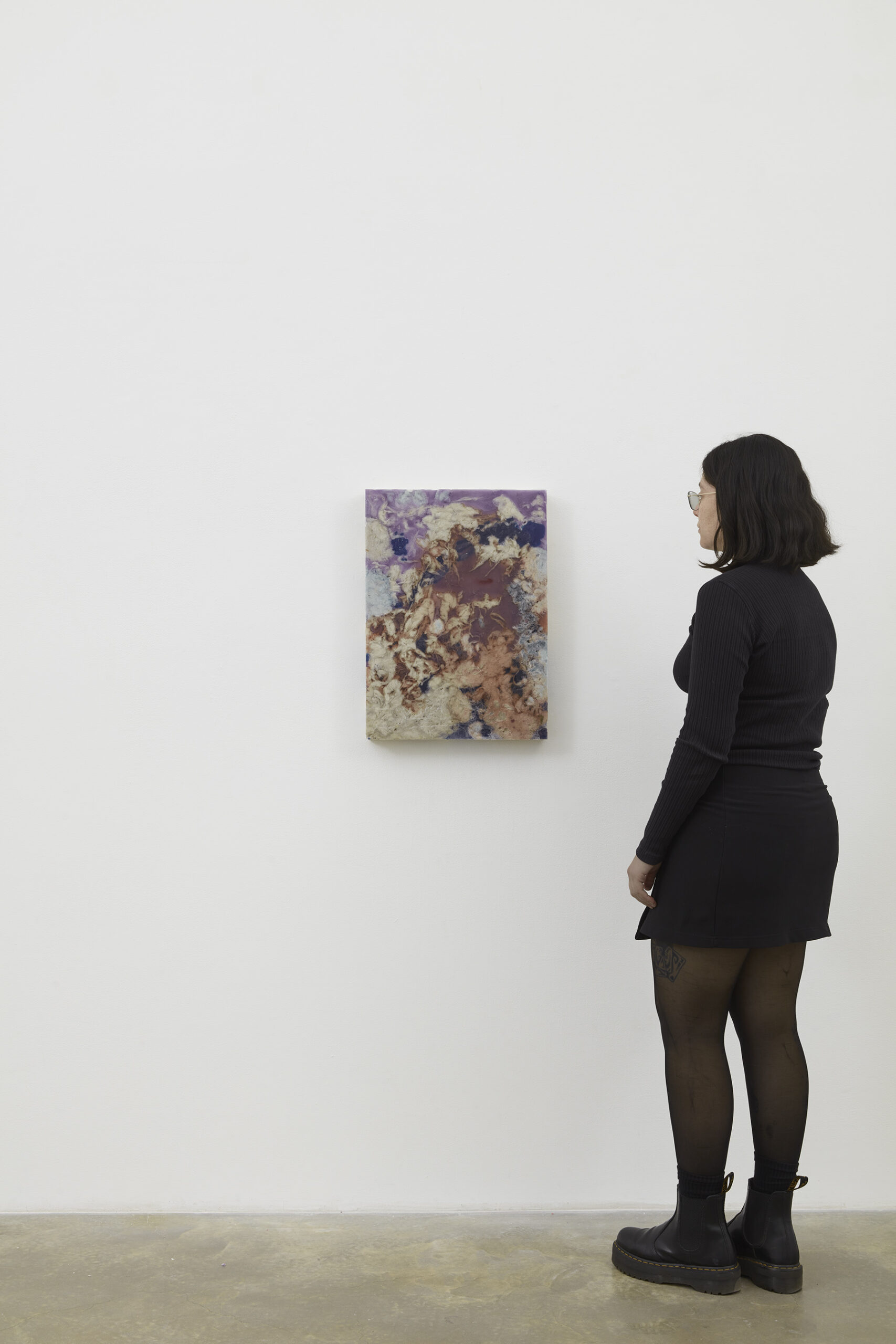
Kevin Beasley
Residue XIII, 2023
Raw Virginia cotton, polyurethane resin, altered t-shirts
22 x 16 x 2" / 55.6 x 40.3 x 4.8cm
Kevin Beasley’s (b. 1985, Lynchburg, VA) practice spans sculpture, photography, sound, video, and performance, centering on materials of cultural and personal significance, from raw cotton harvested from his family’s ancestral property in southern Virginia to sounds gathered using contact microphones. Beasley alters, casts, and molds these diverse materials to form a body of work that acknowledges the complex, shared histories of our generational memories.
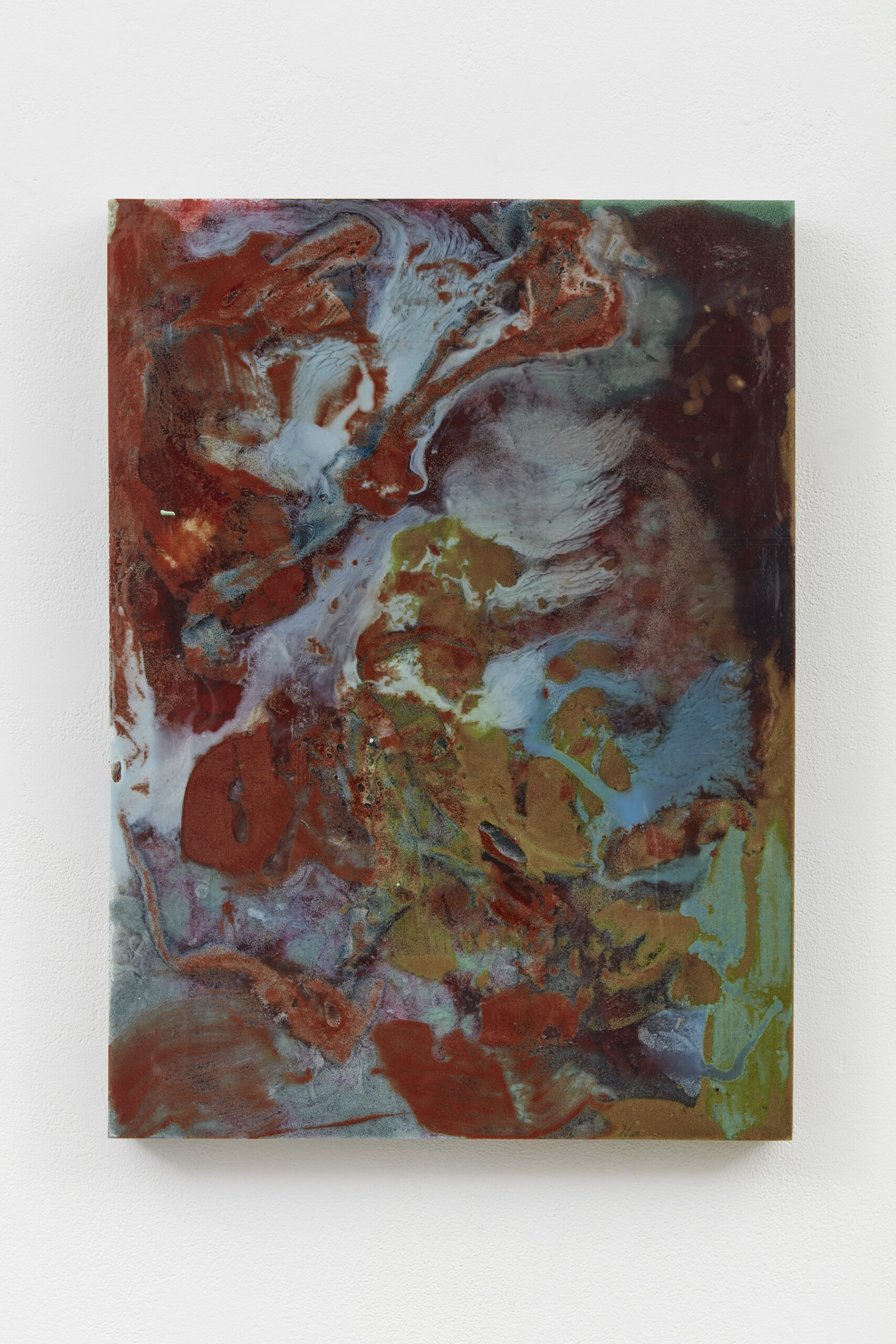
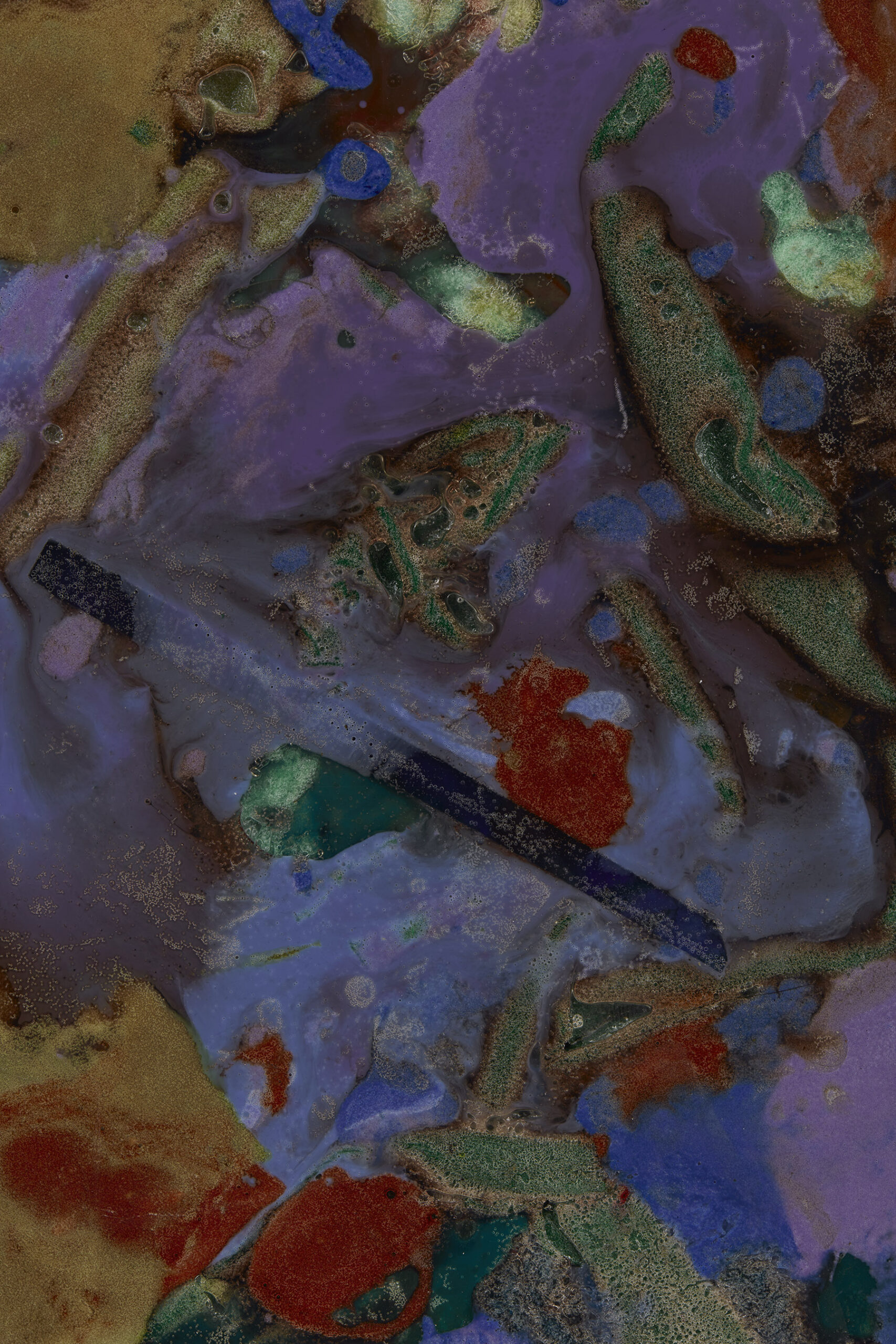
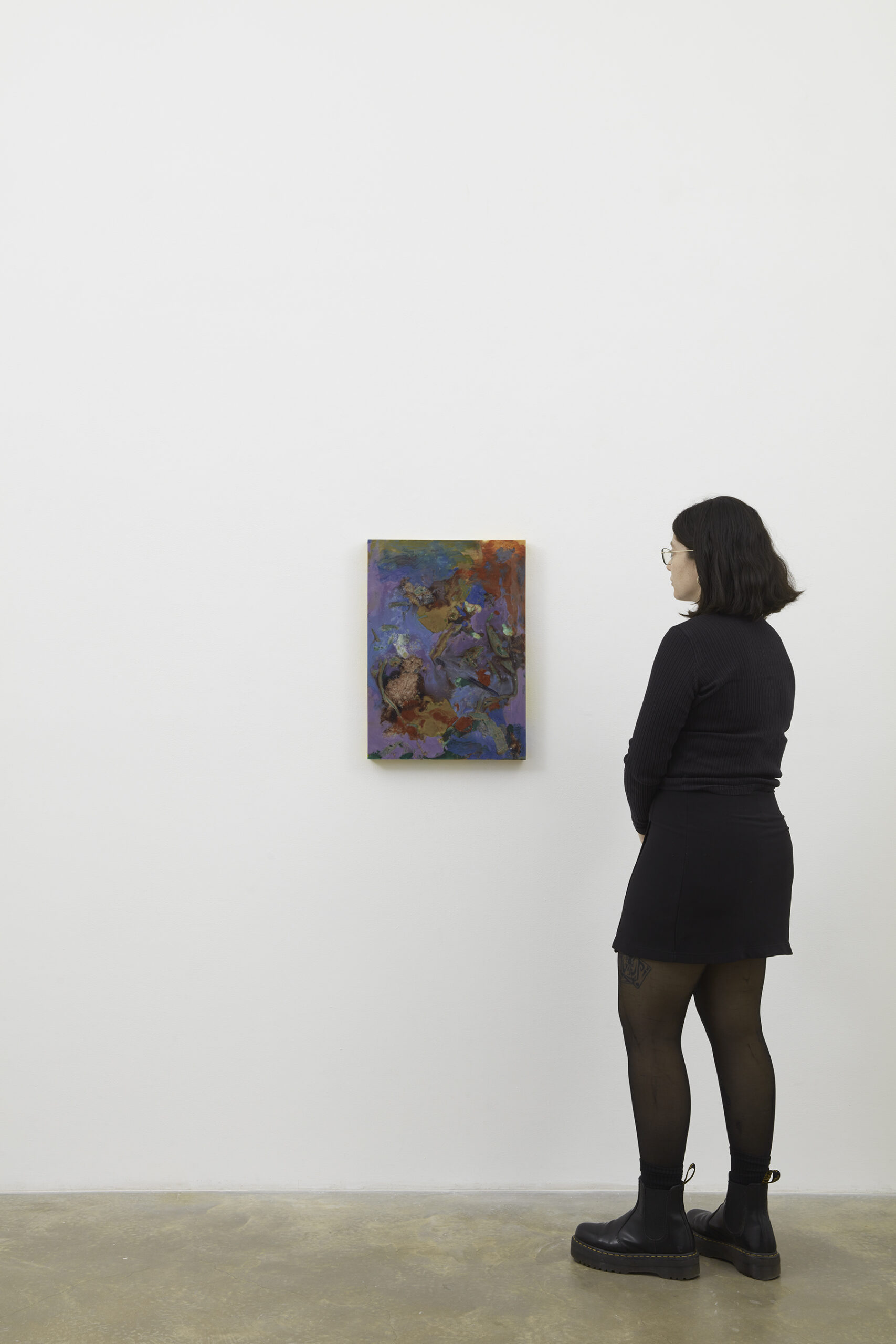
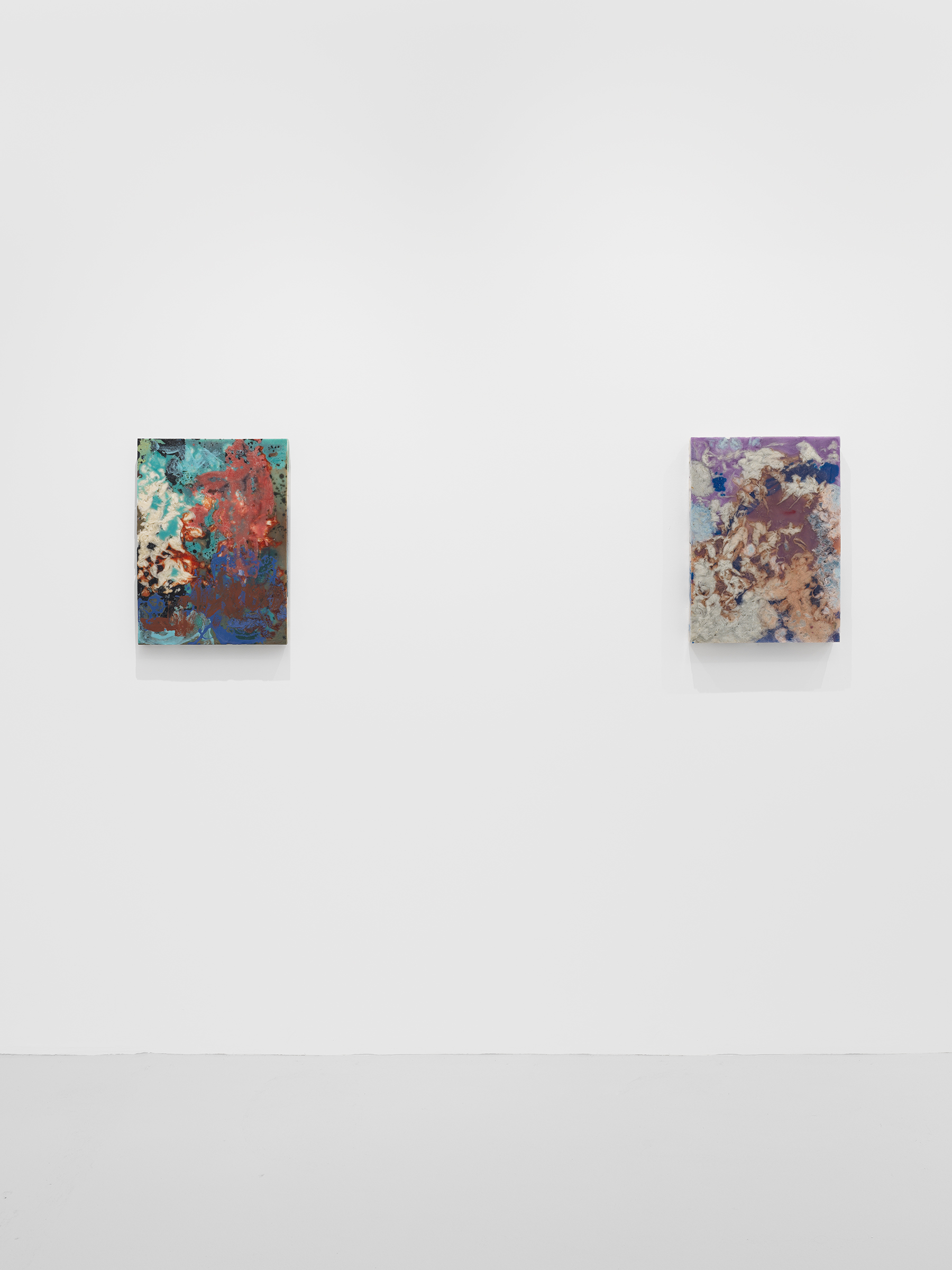
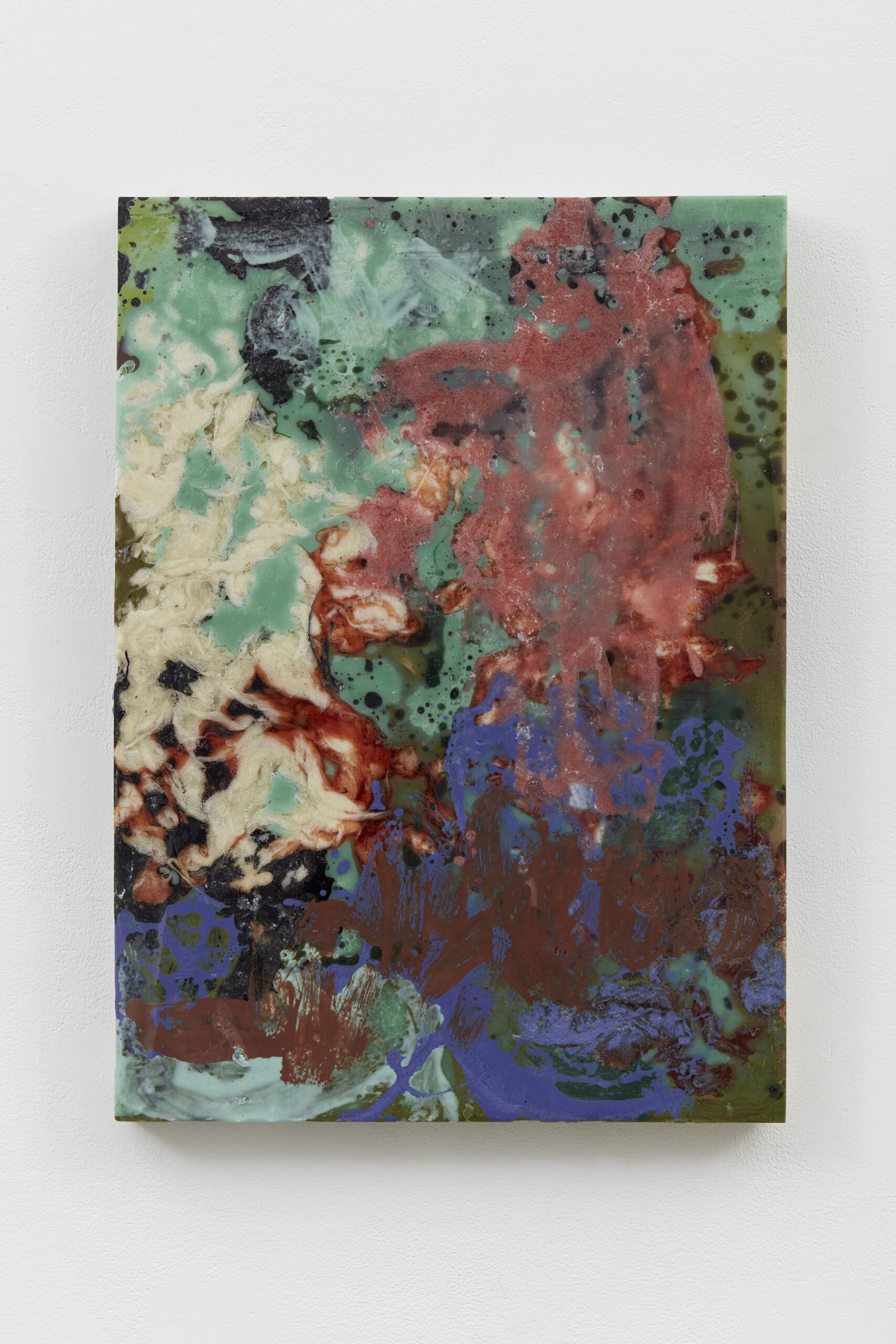
Beasley’s wall-mounted ‘slabs’ are sculptural forms that draw from millennia-old traditions of relief sculpture. They are comprised of raw and dyed cotton harvested near his family’s ancestral Virginia property, as well as altered garments, silicone rubber, and other materials set in polyurethane resin. For Art Basel Paris, we present the Residue series, a body of work that emerges from the material excess of past compositions. Fragments of dyed cotton, cut-up t-shirts from previous slabs and material elements from studio activity (such as a plastic bag) are collected, gradually accumulated and repurposed. Some works contain the silicone rubber sediment from the mold and casting process, embodying the artist’s methods within the studio. Glimpses of landscapes illustrated in the Vista series and abstracted grounds within the Site series merge to symbolize an archive of what came before in a foreshadowing of what’s to come.
![]()
Kevin Beasley
Residue XIII, 2023
(detail view)
![]()
Kevin Beasley
Residue XIII and Residue XI, 2023
(alternate view)
![]()
Kevin Beasley
Residue XI, 2023
Raw Virginia cotton, polyurethane resin
21.75 x 16 x 2" / 55.2 x 40.3 x 5.1cm
![]()
Kevin Beasley
Residue XI, 2023
(detail and alternate view)
![]()
Kevin Beasley
Residue XIX, 2024
Raw Virginia cotton, polyurethane resin, altered plastic bag
21.75 x 16 x 2" / 55.2 x 40.3 x 5.1cm
![]()
Kevin Beasley
Residue XIX, 2024
(detail view)
![]()
Kevin Beasley
Residue X, 2023
Raw Virginia cotton, polyurethane resin, altered t-shirts
22 x 16 x 1.75" / 55.6 x 40.3 x 4.4cm
![]()
Kevin Beasley
Residue X, 2023
(detail and alternate view)
![]()
Kevin Beasley
Residue IX and Residue IV, 2023
(alternate view)
![]()
Kevin Beasley
Residue IX, 2023
Raw Virginia cotton, polyurethane resin, silicone rubber
22 x 16 x 2" / 55.6 x 40.3 x 4.8cm
![]()
Kevin Beasley
Residue IX, 2023
(detail view)
![]()
Kevin Beasley
Residue IV, 2023
Raw Virginia cotton, polyurethane resin
21.75 x 16 x 2.5" / 55.2 x 40.3 x 6cm
![]()
Kevin Beasley
Residue IV, 2023
(detail and alternate view)